The Importance of Setting Stop-Loss Orders in Trading
When engaging in financial markets, one of the critical strategies to consider is the implementation of stop-loss orders. These are predetermined points set by traders to automatically sell an asset when its price drops to a certain level. Utilizing this technique plays an important role in managing risk and shielding investors from substantial financial setbacks.
What Is a Stop-Loss Order?
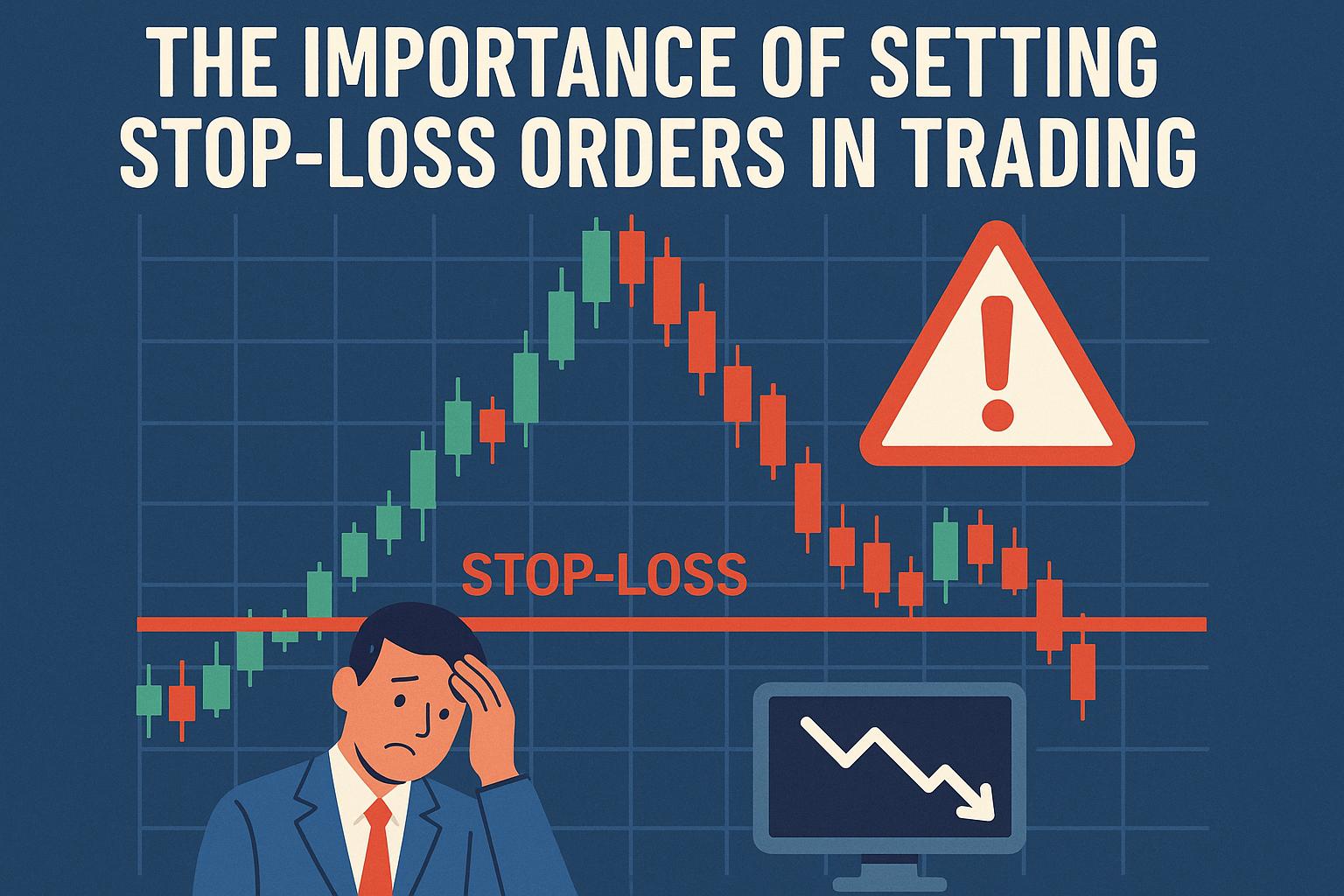
A stop-loss order is an option given to investors that ensures an asset is sold once it reaches a specified price. The primary goal of this mechanism is to limit an investor’s loss on a security position. What distinguishes stop-loss orders is their automatic activation based on market conditions. This requires no intervention or decision-making from the trader at the moment of market movement, which can be particularly beneficial during periods of rapid price change.
The Functionality of Stop-Loss Orders
Stop-loss orders work by setting a trigger price. When this trigger price is reached, the stop-loss order becomes a market order to sell. Consider the scenario where an investor buys a stock at $50 and designates a stop-loss order at $45. Should the stock’s price decline to $45, the stop-loss order activates, and the stock is sold, thereby capping the investor’s loss to $5 per share. This functionality is straightforward, enabling traders to have greater control over their trading outcomes without needing to continuously monitor market movements.
Risk Management
Stop-loss orders represent a cornerstone of risk management in trading. By predetermining the acceptable loss level, traders can focus on strategic aspects of their investments without the distraction of constant loss monitoring. Effectively, stop-loss orders set boundaries around acceptable risk exposure and facilitate better decision-making in the trading process.
Reducing Emotional Decision-Making
Emotions can significantly impact trading outcomes; decisions influenced by fear or greed are often less rational. Deploying stop-loss orders helps traders to adhere to their trading plans, thereby removing the emotional component from immediate decision-making. With stop-loss orders, trading decisions are dictated by predefined rules, not by emotional responses to volatile market conditions.
Application Across Different Trading Strategies
Stop-loss orders are versatile tools, not limited to stock trading alone. They can be applied in various financial markets, including foreign exchange (forex), commodities, and a wide array of other securities. This flexibility ensures that investors can utilize stop-loss orders regardless of the specific asset class they are engaged with. The ability to use stop-loss mechanisms across multiple trading environments makes them indispensable for both novice and experienced traders.
Stop-Loss in Forex Trading
In the context of forex trading, stop-loss orders are pivotal due to the high level of volatility commonly associated with currency markets. Forex markets operate 24 hours a day, which means market movements can occur at any time. Stop-loss orders offer a level of protection against adverse price movements that occur when the trader is not actively monitoring the market.
Stop-Loss in Commodities and Other Securities
Similarly, in commodities trading and other securities, stop-loss orders provide a safety net against price fluctuations. Commodity markets often react strongly to economic reports and geopolitical events, resulting in abrupt price changes. Having a stop-loss order in place allows traders to mitigate risks associated with these sudden movements.
Considerations
While stop-loss orders serve as a valuable risk management tool, traders must recognize their limitations and consider several factors when using them. The chief concern is the potential for market fluctuations to trigger a stop-loss order during temporary volatility. This can result in what traders refer to as a “whipsaw” effect, where temporary price dips activate the stop-loss, leading to an unwanted trade execution and potentially lost opportunities if prices rebound quickly.
Setting the Appropriate Level
Determining the right level for a stop-loss order is an art that involves understanding market trends, historical price data, and volatility. Traders must balance between setting the stop-loss too close to the purchasing price, which increases the chance of premature activation, and setting it too far, which might not provide adequate protection. Analyzing market conditions and employing technical analysis can aid in determining an optimal stop-loss level.
Use in Conjunction with Other Strategies
A well-rounded trading plan often uses stop-loss orders in conjunction with other trading strategies and tools. For example, combining stop-loss orders with take-profit orders can create a bracketed approach, providing a clearer risk-reward framework. Additionally, employing technical indicators and chart patterns can enhance the effectiveness of stop-loss strategies.
The Role of Technology
Modern trading platforms offer sophisticated tools for setting and managing stop-loss orders. Automation and algorithmic trading allow traders to program complex stop-loss strategies that adapt to changing market conditions automatically. Embracing technology can enhance the precision and efficiency with which stop-loss orders are used.
Implementing stop-loss orders is a pivotal strategy for those involved in trading. By mitigating risk, reducing emotional influences, and providing a safety net in volatile markets, these orders represent an essential component of a comprehensive trading strategy. Traders are encouraged to explore further insights into advanced stop-loss techniques and trading strategies through resources from financial experts and dedicated platforms such as Investopedia or TradingView. These platforms can provide invaluable knowledge and tools to enhance trading effectiveness and risk management capabilities.
This article was last updated on: February 1, 2026