The Intersection of Psychology and Trading
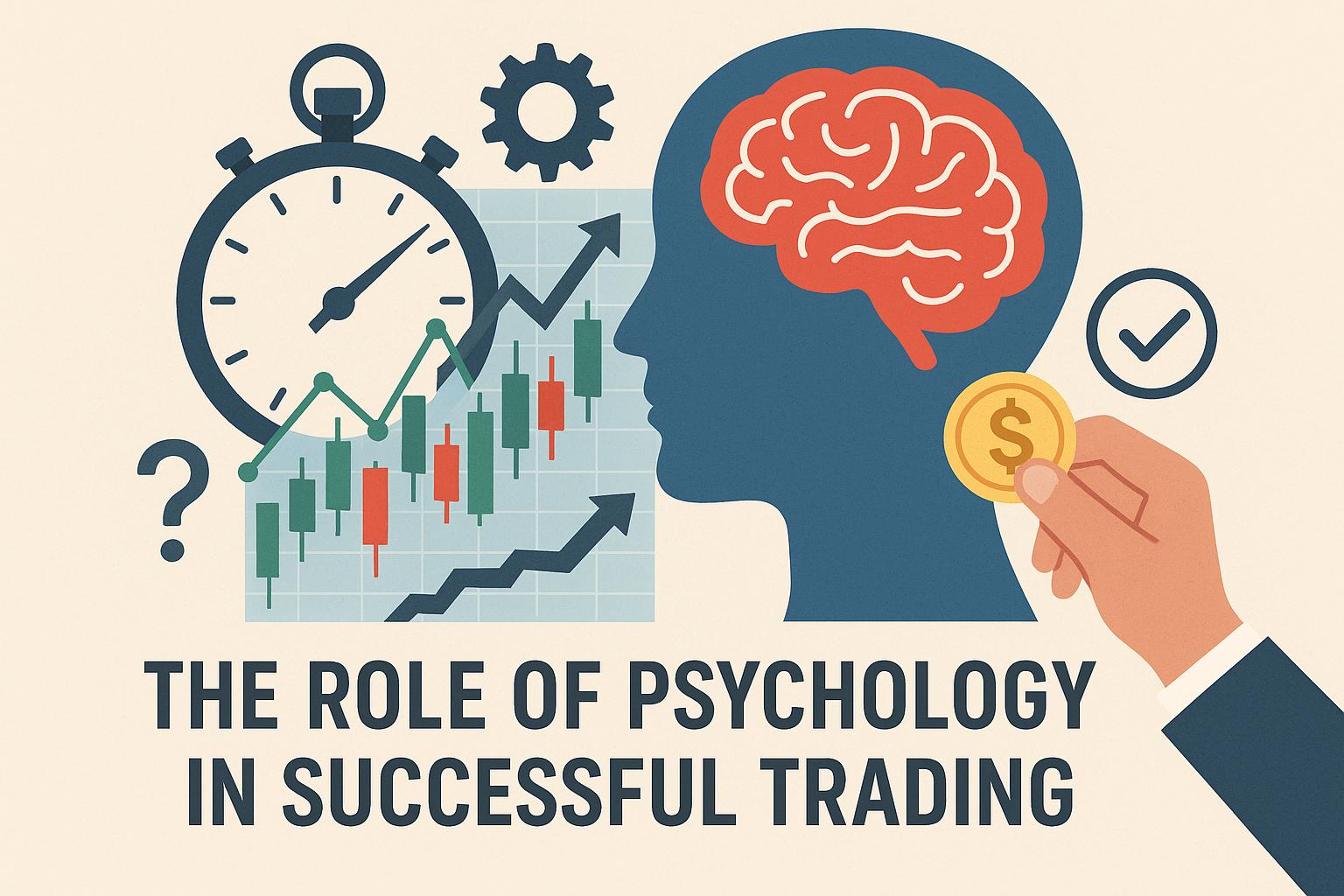
The world of trading presents a multifaceted realm where the dynamics extend beyond mere number-based strategies, encompassing the profound significance of psychological insights. Trading is not merely about understanding the financial markets through charts and data—it’s about comprehending human behavior, both one’s own and that of the market participants. Emotional and psychological factors play pivotal roles, influencing decision-making processes that can turn the tide of trading results. In this complex field, managing one’s mindset and emotions becomes just as vital as possessing technical market acumen.
The Psychological Elements in Trading
At its core, trading demands the interpretation of information and the execution of decisions amidst uncertainty. This renders the trading process inherently psychological in nature. The success or failure often hinges not only on acumen or strategy but also on a trader’s capability to maintain objectivity and discipline in emotionally charged market environments. The delicate balance between logic and emotion becomes crucial as traders navigate through volatility and unpredictability.
Emotional Regulation
An essential psychological element in trading is emotional regulation. Within this fast-paced environment, traders encounter a myriad of temptations, such as impulsive actions driven by the fear of missing out (FOMO) or panic-induced reactions during market downturns. The hallmark of successful traders lies in their ability to remain composed and adhere strictly to their pre-defined strategies, irrespective of momentary market upheavals. Developing emotional intelligence and mastery over one’s feelings can serve as an enduring asset in the trading journey.
Bias and Decision-Making
Cognitive biases pose significant challenges, potentially skewing trading decisions. Overconfidence bias, for instance, leads traders to overestimate their knowledge and predictive powers, often resulting in perilous decisions. Recency bias, the tendency to assign undue weight to recent events, can further lead traders astray. Cultivating awareness of these biases and implementing strategies to mitigate their effects can markedly enhance the quality of decision-making processes, contributing to more rational and successful trading outcomes.
Strategies to Enhance Psychological Resilience
Crafting a sustainable trading strategy entails more than just proficiency in market analysis; it involves psychological preparedness. Strategies to bolster psychological resilience become critical, essentially serving as the backbone for robust trading practices.
Maintaining a Trading Journal
One effective method to enhance awareness of emotional patterns in trading is through maintaining a detailed trading journal. This becomes more than a mere log of trades; it serves as a reflective tool, capturing emotional states associated with different trades. By documenting not only the technical aspects but also emotional responses, traders can uncover insights into their psychological profiles, leading to improved self-awareness and performance.
Mindfulness and Stress Reduction Techniques
Introducing mindfulness practices and stress reduction techniques, such as meditation, can profoundly impact a trader’s mental state. These practices promote a more centered, calm, and focused mindset, minimizing the adverse impact of stress on decision-making. Through consistent application, traders can cultivate rational thinking and diminish the noise of emotional upheaval, enhancing overall trading efficacy.
Setting Realistic Goals
The setting of realistic goals forms another cornerstone for both psychological resilience and sustained motivation. Ambitious targets can lead to undue pressure, often resulting in stress-induced errors. Instead, establishing achievable objectives helps maintain enthusiasm while avoiding the detrimental effects of stress overload. Prioritizing consistency and steady progress often yields more enduring success in trading endeavors.
The Social Dimension of Trading Psychology
In addition to individual psychological elements, the social dimension of trading psychology plays a vital role. Engaging with communities, discussion forums, or peer groups can provide fresh perspectives, diversified strategies, and critical feedback. Interactions with mentors or peers offer traders opportunities for learning through shared experiences and insights. Such social engagements can be instrumental in broadening one’s understanding of market dynamics and enhancing trading strategies, fostering an environment of collective progress and growth.
The Balance between Emotion and Logic
Ultimately, achieving success in trading relies on mastering the delicate balance between emotion and logic. Technical indicators and market trends offer a logical framework, providing foundational support in decision-making. However, it is the adeptness in psychological insights that enables traders to navigate complexities effectively. Recognizing and understanding the integral role of psychology in trading empowers traders to harness their emotional intelligence as a source of strength, making well-informed decisions that enhance overall performance.
In conclusion, the fusion of market knowledge with psychological awareness equips traders to confront challenges with resilience, make calculated decisions, and optimize their trading performance. Aligning emotional insights with strategic logic paves the way for sustained success, ensuring traders remain adaptable and informed in an ever-evolving market landscape.
This article was last updated on: April 19, 2026