Market Cycles: An Overview
Market cycles are a fundamental concept in the realm of investing, reflecting the natural rise and fall of market prices over time. Understanding these cycles can significantly impact investment strategies and outcomes, providing valuable insights into how markets behave over different periods. They are influenced by various economic, political, and psychological factors that continuously shape market environments.
The Phases of Market Cycles
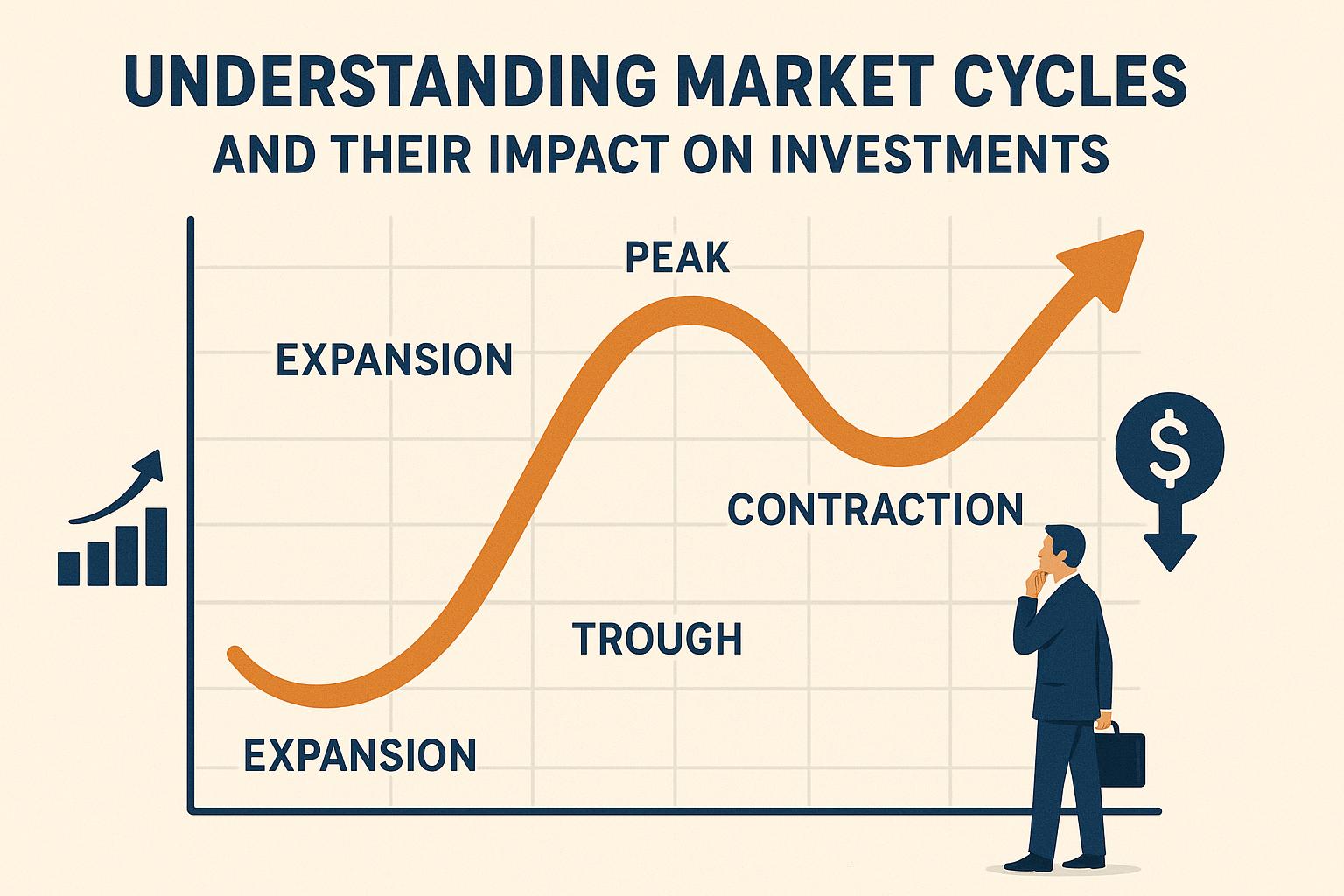
Market cycles generally consist of four distinct phases, each characterized by specific trends in asset prices and market sentiment: accumulation, uptrend, distribution, and downtrend. These phases follow a repetitive pattern, although the timing and duration may vary.
During the accumulation phase, prices are generally stable as informed, long-term investors who can identify undervalued assets start purchasing them. This phase often follows a period of price decline, leading to lower investor interest overall. However, for savvy investors, this presents an opportunity to acquire assets that they believe are trading below their intrinsic value.
The uptrend phase comes next, marked by rising prices and increasing market optimism. This phase is often characterized by positive economic news, improved corporate earnings, and a rise in investor confidence, leading to more buying and further price increases. As more investors perceive that asset prices will continue to rise, there is often a surge of buying activity.
When the market enters the distribution phase, prices are typically high, and informed investors begin to sell off their holdings, anticipating that the market is nearing its peak. The broader market sentiment may remain positive during this time, but those with a keen understanding of market dynamics recognize the signs of an impending shift.
Finally, the downtrend phase occurs, characterized by declining prices and growing pessimism. This phase often follows a peak in asset prices, with increasing selling pressure as more investors seek to exit their positions, fearing further declines. Reduced investment activity can prevail, as confidence in the market wanes.
Factors Influencing Market Cycles
Market cycles are not isolated occurrences; they are shaped by a multitude of factors. Among the economic indicators, factors such as GDP growth, employment rates, and interest rates have a significant bearing. For instance, robust GDP growth and low unemployment can signal economic expansion, fostering upbeat market conditions.
Geopolitical events and government policies also have a considerable impact. Trade agreements, sanctions, changes in regulations, or unexpected geopolitical tensions can influence markets either positively or negatively. Such events can quickly alter investor perceptions and market conditions.
Additionally, investor psychology plays a pivotal role. Emotions such as fear and greed can exacerbate market movements. Fear can drive panic selling in down markets, while greed often leads to exuberance during uptrends.
The Impact on Investments
Grasping the intricacies of market cycles is essential for investors who aim to optimize their returns while mitigating risks. Recognizing and understanding which phase the market is in can guide investors in making prudent decisions about when to enter or exit their positions.
For instance, purchasing during the accumulation phase might afford investors lower entry prices, potentially leading to substantial gains as prices begin to rise in the subsequent uptrend phase. Conversely, selling during the distribution phase can allow investors to capitalize on high asset prices, locking in profits before potential declines.
Rather than trying to time the market with precision, which can be notoriously challenging, investors may choose to adopt different strategies based on the cycle stage. For example, value investing, which involves seeking out undervalued assets, is often effective during the accumulation phase. In contrast, growth investing, which focuses on assets with the potential for rapid price appreciation, may be more suited to the uptrend phase.
Moreover, a deep understanding of market cycles can aid investors in maintaining a disciplined approach, preventing emotionally-driven decisions during volatile periods. By adhering to a strategy aligned with specific cycle phases, investors can potentially enhance their investment outcomes over time.
Conclusion
In summary, market cycles are an inherent part of investing, driven by a complex interplay of economic indicators, external events, and investor behavior. Each phase of the market cycle brings with it distinct opportunities and challenges. By gaining a thorough understanding of these cycles and the characteristics of each phase, investors can craft strategies that are more closely aligned with prevailing market conditions. This insight can serve as a powerful tool for enhancing investment success, enabling investors to capitalize on favorable market movements while mitigating risks during more challenging phases. Such a comprehensive approach to investment strategy underscores the value of being attuned to market cycles, ultimately contributing to more informed and potentially successful investment decisions.
This article was last updated on: May 17, 2026