Understanding Growth Stocks
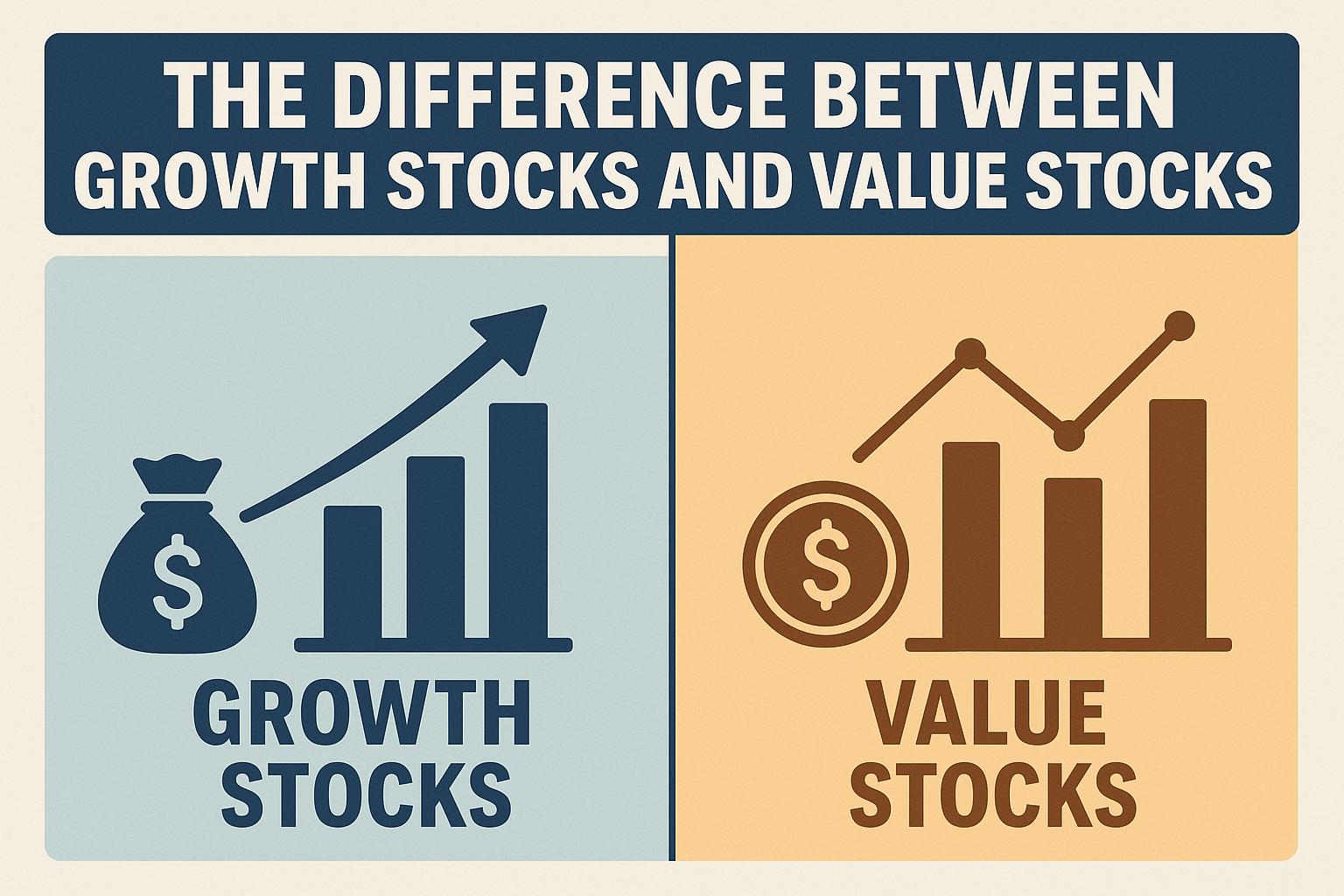
Growth stocks represent companies expected to grow at an above-average rate compared to other companies in the market. These companies often reinvest earnings to facilitate rapid expansion, resulting in higher stock prices. Typically, growth stocks are characterized by high price-to-earnings (P/E) ratios and price-to-book (P/B) ratios, as investors are willing to pay a premium for potential future growth.
Investors might be attracted to growth stocks due to their potential for substantial returns. Many of these companies operate in innovative industries, such as technology or biotechnology, where new product developments can significantly impact business expansion.
Key Characteristics of Growth Stocks
Growth stocks usually do not pay dividends, as companies prefer to reinvest earnings into business ventures. They are often more volatile than value stocks, meaning their prices can fluctuate widely over short periods. Those interested in growth stocks might consider assessing a company’s revenue growth and potential market share expansion. Carefully analyzing the leadership team and their track record can be instrumental in making investment decisions regarding growth stocks.
Volatility and Risk
Volatility is a common attribute of growth stocks due to the rapid progress in the sectors in which these companies operate. This volatility can be advantageous for informed investors who can capitalize on price movements. Nevertheless, the risks associated with these investments cannot be ignored. The potential downside can be severe should a company fail to meet market expectations.
Market Sentiment
Market sentiment plays a crucial role in the valuation and performance of growth stocks. When investor confidence is high, capital inflow into growth sectors can push stock prices even further. Conversely, negative sentiment can lead to sharp declines. Understanding the broader economic context can aid in anticipating these movements.
Monitoring Trends
Investors interested in growth stocks should stay updated with market and industry trends that could influence the performance of the companies they are investing in. Staying ahead in market intelligence can offer a competitive edge in making timely decisions regarding buying or selling particular growth stocks.
Understanding Value Stocks
Value stocks refer to shares of companies that trade at lower prices compared to their fundamentals, such as earnings, dividends, or sales. These stocks often have low P/E ratios and P/B ratios due to being underpriced by the market. Investors view them as opportunities to buy stocks at a potential bargain.
Value investors often look for companies with stable growth trajectories that the market has temporarily overlooked or undervalued. The focus here is on real tangible value; thus, value stocks are often found in industries viewed as stable or mature.
Key Characteristics of Value Stocks
Value stocks tend to offer dividends to investors, providing an income stream aside from capital gains. They might appeal to those looking for more secure and less volatile investments. When evaluating value stocks, investors might consider a company’s balance sheet, dividend yield, and historical performance.
Dividend Offering
Dividends play a significant role in the attractiveness of value stocks. These periodic payments to shareholders can add a degree of security to investing in value stocks. For individuals interested in generating a steady income from their investments, this can be a critical factor.
Financial Health
A thorough examination of financial health is imperative when selecting value stocks. Analysts often scrutinize balance sheets, focusing on a company’s ability to manage debt and generate cash flow. Financial stability can provide a measure of safety against market fluctuations.
Historical Performance and Future Outlook
The historical performance of a company can offer insight into its future trajectory. Many investors rely on past data to assess the potential for continued success or identify areas of necessary improvement. However, maintaining a forward-looking approach, factoring in economic changes and competitive pressures, is also crucial in making sound decisions.
Growth vs. Value: Investment Strategies
The choice between growth stocks and value stocks often depends on an investor’s risk tolerance and investment goals. Growth stock investors might seek high returns and are willing to endure more market volatility. On the other hand, value stock investors may prioritize steady income and lower risk, focusing on long-term stability.
Risk Tolerance
The degree of risk an investor is willing to take on can significantly influence their choice between growth and value stocks. For those comfortable with high-risk, high-reward scenarios, growth stocks may offer the enticing possibility of greater returns. Conversely, risk-averse individuals might find more alignment with value stocks and their stability-related benefits.
Investment Goals
Articulating clear investment goals is paramount in choosing between these two investment styles. Growth stocks may align more closely with goals focused on wealth accumulation over shorter time frames, whereas value stocks might be more suited to those seeking income and preservation of capital over extended periods.
Portfolio Diversification
One way to balance the inherent risks and benefits of growth and value stocks is through portfolio diversification. By allocating investments among both categories, investors can benefit from the potential upside of growth stocks while hedging risk with the stability of value stocks. This balance can be critical for achieving long-term financial objectives.
Continuous Assessment and Strategy Adaptation
To maximize their investments in either growth or value stocks, investors should continuously evaluate and adapt their strategies. Keeping informed of economic shifts, industry trends, and changes within individual companies can ensure that investment goals remain aligned with real-world conditions. Flexibility and vigilance are key in navigating the ever-evolving financial landscape.
For further reading on how to diversify an investment portfolio with both growth stocks and value stocks, consider exploring reputable financial websites or speaking with a licensed financial advisor.
This article was last updated on: March 22, 2026