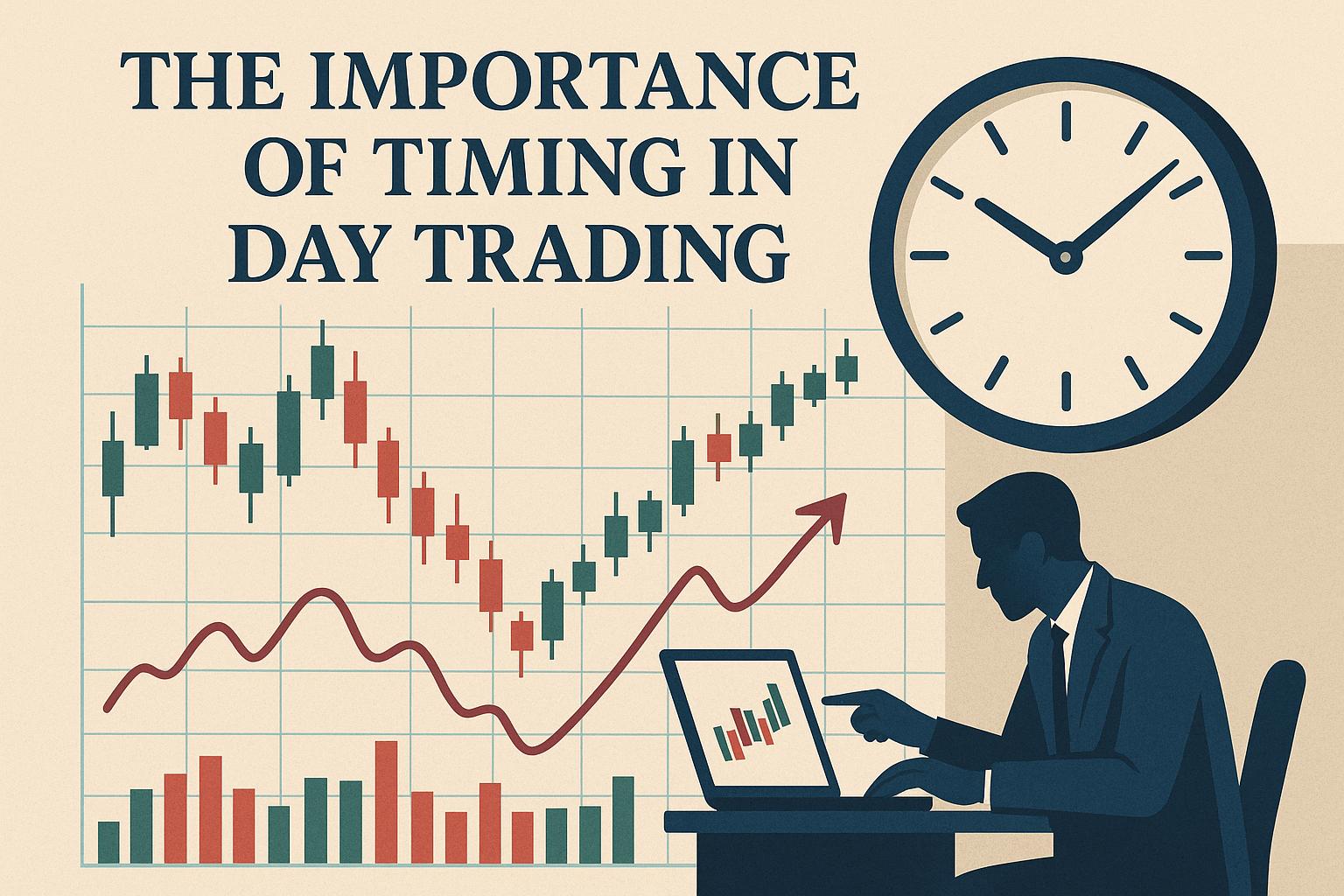
The Importance of Timing in Day Trading
In the fast-paced world of day trading, timing plays an essential role in determining the profitability and success of a trader. Unlike traditional investment strategies that may hold onto positions for months or even years, day trading involves executing multiple trades within a single trading day. As such, understanding the best times to enter and exit these positions is crucial to achieving competitive gains while reducing potential losses. This article delves deeper into the significance of timing in the context of day trading and scrutinizes how it impacts trading decisions.
Market Open and Close
The start and end of the trading day are often the most dynamic periods on the stock market. During these times, the volume of trades tends to spike, resulting in notable price movements. The opening session of the market is especially vital for reflecting the market’s response to any significant news that may have emerged overnight or during the weekend. This typically includes updates in international markets, political events, or other geopolitical factors.
In this high-energy opening phase, seasoned traders can find abundant opportunities to capitalize on the volatile price shifts. Conversely, the market’s closing period is characterized by traders looking to reconcile their accounts, evaluate their positions, and strategize for the following day. These transactions often generate distinct market patterns, which professional traders can exploit through calculated decision-making.
Economic Indicators and News Releases
A key component of strategic timing in day trading involves tracking scheduled economic indicators and news releases. Financial markets are particularly sensitive to releases such as central bank announcements, employment statistics, and corporate earnings reports. These events can lead to rapid price changes, creating potential challenges and opportunities for traders.
For instance, an unexpected interest rate cut by a central bank can send shockwaves through multiple sectors, while a positive quarterly earnings report from a major corporation might elevate stock prices notably. By timing their trades to coincide with these major announcements, traders can take advantage of the heightened volatility to optimize their trading results. This requires a sophisticated understanding of the potential impacts of various economic indicators.
Intraday Patterns
The reliance on intraday patterns constitutes another essential part of a day trader’s timing strategy. Patterns such as bull flags, bear flags, and breakouts offer crucial insights into the anticipated movement of asset prices. The ability to identify these patterns consistently and quickly allows traders to make informed judgments about when to initiate or conclude trades.
For example, a breakout pattern can signal the potential for a stock to move beyond its previous range, suggesting profitable buying or selling opportunities. By examining these patterns over various periods, traders develop a nuanced sense of timing. This skill set, honed over time with ongoing pattern recognition analyses, is invaluable for navigating the complexities of day trading with precision.
Technological Impact
The advent of advanced technology has dramatically influenced timing in day trading. High-frequency trading algorithms, for instance, are capable of executing trades in microseconds, significantly impacting market prices and affecting timing. As these algorithms continuously influence the market rhythm, human traders are compelled to adapt their strategies to remain competitive.
To effectively respond to these rapid market changes, traders increasingly depend on sophisticated trading platforms and specialized tools, which facilitate real-time market analysis and rapid order execution. By staying informed about the latest technological advancements in trading software, day traders can enhance their timing strategies and maintain a competitive edge in this increasingly automated environment.
Mastering the art of timing in day trading is undeniably challenging but crucial. It demands comprehensive market knowledge, keen awareness of economic developments, and proficiency in recognizing trading patterns. Traders who excel in timing not only benefit from enhanced profitability but also reduce their exposure to the downsides inherent in volatile markets. With myriad resources available through financial education portals and trading platforms, aspiring and experienced traders alike have ample opportunities to refine their timing strategies and optimize their trading approaches.
This article was last updated on: April 5, 2026