The Importance of Market Sentiment in Trading
Market sentiment is a pivotal factor in the world of trading, influencing trader behavior and asset price movements significantly. At its core, market sentiment refers to the general mood and attitudes of investors toward a specific market or security. It is a reflection of the feelings that drive the collective actions and reactions of market participants, leading to noticeable price changes and trends.
Understanding Market Sentiment
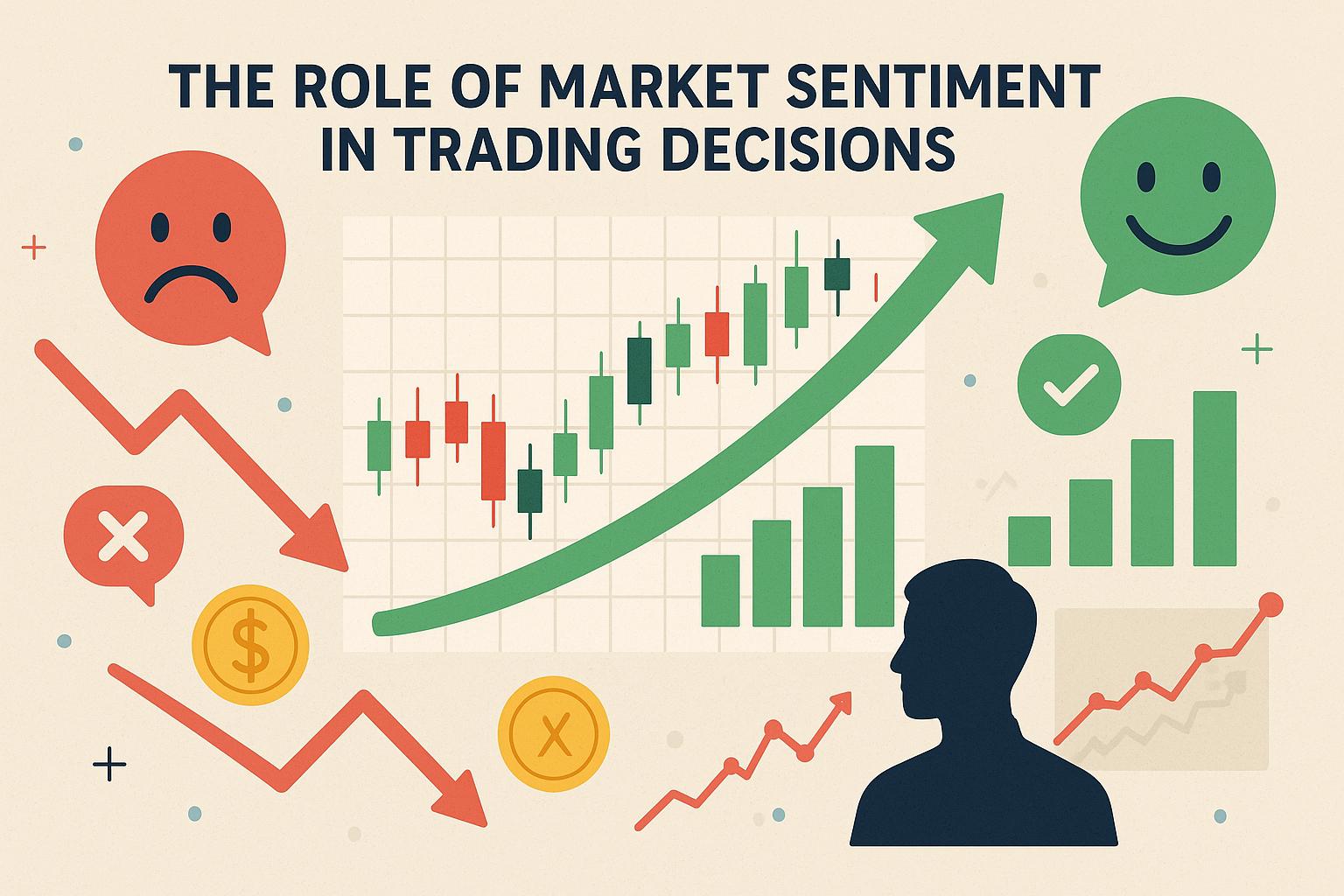
To fully grasp the concept of market sentiment, one must acknowledge the underlying mood and tone that influences trading behavior at any given moment. Market sentiment can be categorized primarily into two opposing states: bullish and bearish. When sentiment is bullish, investors anticipate a rise in asset prices, which typically results in increased buying activity. In contrast, a bearish sentiment emerges when investors expect prices to decline, often leading to significant selling.
The factors contributing to shifts in market sentiment are numerous and varied. Economic indicators, including interest rates and employment figures, play a crucial role in shaping investor outlooks. Additionally, political events such as elections or policy announcements, and geopolitical tensions can lead to rapid changes in sentiment. These elements create an environment of uncertainty and potential volatility, offering traders opportunities to capitalize on these shifts.
Indicators of Market Sentiment
Traders utilize an array of tools to measure and interpret market sentiment. Among the most common techniques are:
Surveys and Polls: These tools involve collecting opinions and expectations from investors, providing valuable insights into the current market psychology.
Sentiment Indexes: Indexes like the Fear and Greed Index synthesize multiple data sources to present a coherent measure of sentiment. These indexes offer an easy-to-digest overview of prevailing market attitudes.
Social Media and News Analysis: In today’s digital age, the analysis of information from social media platforms and news outlets is crucial for understanding real-time sentiment. Advanced algorithms and artificial intelligence assist in sifting through massive amounts of data to identify trends.
The Impact of Market Sentiment on Trading
Market sentiment holds the power to drive price movements that sometimes deviate from fundamental analysis. In scenarios marked by either extreme optimism or pessimism, sentiment alone can fuel the creation of bubbles or cause sudden market crashes. Traders often leverage these movements through strategies tailored to either mimic or counter prevailing sentiment trends.
For instance, momentum traders who synchronize with the current sentiment might adopt a buy high, sell higher strategy during bullish phases. These traders believe in riding the wave of market optimism. On the other hand, contrarian traders might choose to go against the grain, selling assets when sentiment appears excessively positive, with the expectation of an incoming market reversal.
Incorporating Sentiment Analysis in Trading Strategies
The integration of sentiment analysis into trading strategies requires a careful blend of both quantitative and qualitative insights. Many traders find value in combining sentiment data with other analytical approaches, such as technical and fundamental analysis, to bolster their decision-making processes.
Sentiment analysis often serves as a supplementary tool for traders, providing an additional layer of confirmation or consideration. However, traders must remain cognizant of the inherent volatility in sentiment, which can shift rapidly in response to unexpected news developments or global events. Therefore, maintaining a flexible and adaptable approach is paramount.
In conclusion, while market sentiment is but one aspect of the intricate trading landscape, it undeniably serves as a powerful driver of market dynamics. A deep understanding and adept utilization of market sentiment can lead to more informed trading decisions and, potentially, improved trading outcomes. To gain further insight into the realm of trading, individuals are encouraged to seek resources from reputable financial news platforms and educational websites. Through continued learning and the strategic application of market sentiment, traders can enhance their expertise and navigate the ever-changing financial markets more effectively.
This article was last updated on: March 8, 2026