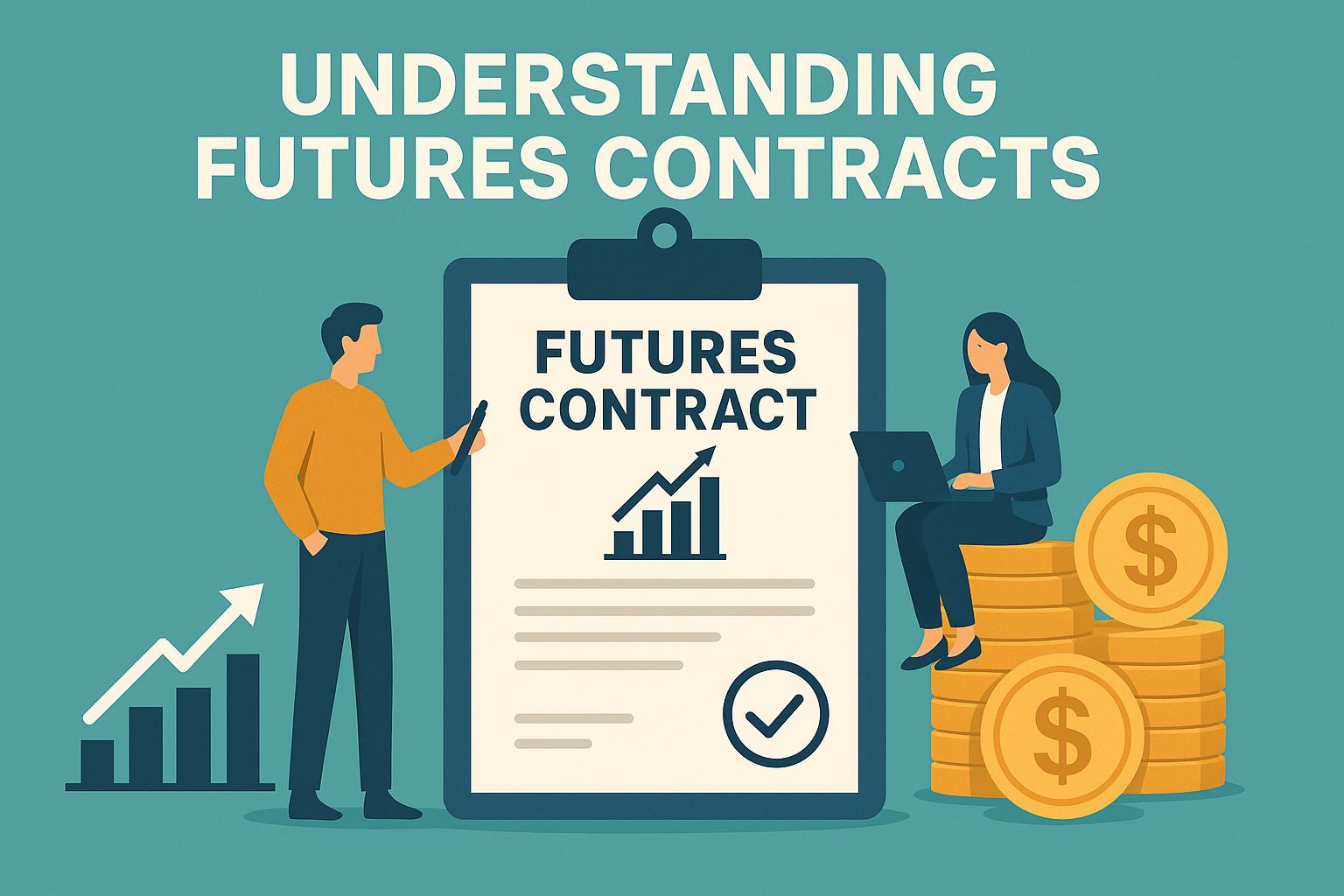
Understanding Futures Contracts
Futures contracts are standardized financial agreements that obligate the buyer to purchase, and the seller to deliver, a specific asset at a predetermined price on a specified future date. These instruments serve multiple purposes in financial markets, including hedging against price volatility, speculating on future price movements, and gaining diversified exposure to a wide array of commodities and financial instruments. Mastery of the concepts and mechanisms of futures contracts is essential for those participating in these markets, including traders, investors, and businesses.
Basic Structure of Futures Contracts
The two primary participants in a futures contract are the buyer, who commits to buying the asset, and the seller, who commits to providing it. Critical components of these contracts include:
Underlying Asset: This element specifies what is being traded, such as physical commodities or financial instruments. Typical underlying assets involve commodities like oil, gold, and agricultural goods, as well as financial metrics like stock indices, currency values, and interest rates.
Contract Size: Futures contracts specify a standardized amount of the underlying asset to be traded. For instance, a standard crude oil futures contract might represent 1,000 barrels of oil, setting clear expectations for both parties.
Expiration Date: Futures contracts come with a defined expiration date, representing the last day the contract remains valid. Settlement occurs on this date, either through the physical delivery of the asset or a cash settlement, depending on the contract specifications.
Price: The price outlined in the contract—known as the futures price—is established at the contract’s inception, ensuring both parties are aware of the agreed-upon terms for buying or selling the asset in the future.
Trading Futures Contracts
Futures contracts are predominantly traded on organized exchanges, which standardize contract terms to facilitate straightforward transactions. These exchanges provide efficient and transparent platforms for the buying and selling of contracts, reducing barriers and complexities associated with direct, bilateral agreements.
Margin and Leverage
The trading of futures contracts requires participants to provide an initial margin, essentially a fraction of the contract’s total value, acting as a security deposit to substantiate their agreement to the contract. Leverage is a cornerstone of futures trading, empowering traders to manage large positions with relatively modest financial commitments. However, this leverage introduces heightened risk, offering the potential for significant gains while equally exposing traders to substantial losses.
Marking to Market
The daily adjustment of a futures contract’s value, known as marking to market, reflects the contract’s current market price at the close of each trading day. This adjustment process ensures that any gains or losses are immediately recognized, allowing account holders to have a real-time grasp of their financial standing and adjust their strategies accordingly.
Role in Hedging and Speculation
Futures contracts play a critical role in hedging against price volatility. For example, a farmer might secure a futures contract to sell their crop at a fixed price, ensuring a consistent income regardless of future market fluctuations. This type of contract provides a financial safety net, particularly vital in markets plagued by unpredictability. Conversely, speculators harness futures contracts to profit from anticipated price changes, taking strategic positions predicated on their predictions of future price directions.
Conclusion and Continuing Education
In conclusion, futures contracts are instrumental in modern financial markets, providing effective mechanisms for risk management and opportunities for speculative profits. Their standardized nature and widespread use across various commodities and instruments make them indispensable tools for financial professionals. Continuous education is paramount for those engaging with futures contracts. Understanding the intricacies of this trading form and keeping abreast of market trends is essential for effective participation and strategy formulation in futures markets. Participants are encouraged to utilize financial education platforms and explore resources provided by exchanges like CME Group to refine their trading acumen.
This article was last updated on: February 22, 2026