Understanding Your Investment Goals
When selecting a brokerage, the first step is to clarify your investment goals. Are you looking to day trade stocks, or are you more interested in long-term investments? Different brokerages cater to varying investment styles, so understanding your objectives will guide you in selecting the most suitable platform.
Assessing your investment goals involves reflecting on what you hope to achieve with your finances in the short and long term. For instance, if your objective is to build a retirement fund, securing a low-risk, long-term investment might suit you better. Conversely, if you’re seeking immediate financial growth, day trading may be the right path. Determining your goals will not only help in choosing a brokerage but also in defining your investment strategy, risk appetite, and the types of financial products you should consider.
Analyzing Fees and Commissions
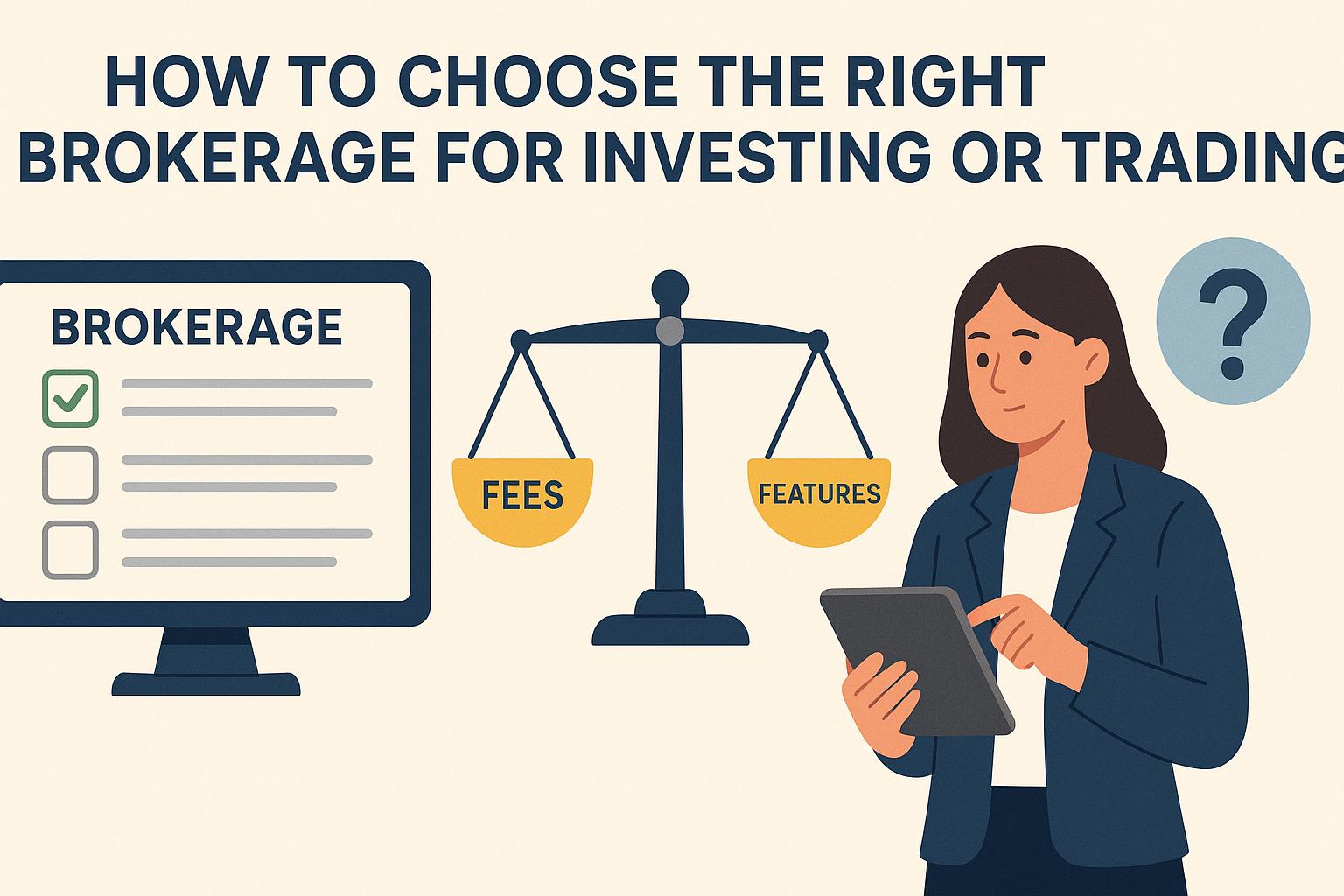
Costs can profoundly affect your returns. Therefore, scrutinize the fee structures of potential brokers. Pay attention to commission rates, account maintenance fees, and charges for specific services. Some brokers offer commission-free trading on certain assets, which can be beneficial for frequent traders.
Understanding the fee structure of a brokerage is critical as it impacts your overall returns. Brokerage firms may charge various fees such as trading commissions, account fees, withdrawal fees, and more. It is important to know what each fee entails and how it might add up over time. Many modern brokerages are moving towards commission-free trading to attract investors, yet they might charge for other services or incorporate fees in different ways.
Account Minimums
Some brokerages require a minimum deposit to start investing. Ensure you choose a platform that matches your financial capabilities. For beginners or those with limited capital, a brokerage with no or low account minimums might be preferable.
An account minimum refers to the smallest amount of funds required to open and maintain an investment account with a brokerage. The minimum can range from no minimum to (in some cases) several thousand dollars. This is an essential consideration for new investors with limited initial funds. A low or no minimum requirement allows beginners to start investing without needing substantial capital upfront, making it easier to gradually build a diverse portfolio.
Trading Platform and Tools
The quality of a brokerage’s trading platform can significantly influence your trading experience. Look for a platform that is user-friendly and provides the tools and information necessary for making informed decisions. Features may include charting tools, real-time data, and educational resources.
A robust trading platform should offer a seamless user experience, provide timely data, and integrate analytical tools that help in making informed decisions. While experienced investors might prefer advanced tools and charts, beginners could benefit from platforms that emphasize simplicity and educational content. The platform’s usability can mean the difference between a frustrating or rewarding trading experience, especially for those who intend to engage actively in managing their investments.
Mobile Trading
If mobile access is important to you, consider whether the brokerage offers a robust mobile app. An app can be particularly useful for investors who wish to monitor and manage their portfolios on the go.
In a world increasingly driven by mobile technology, having a reliable mobile trading app can be a major benefit. A well-designed mobile application should mirror the functionality of a desktop platform, offering features such as account management, market monitoring, and trade execution. This is valuable for investors who require flexibility and are often away from their desktops, enabling them to stay updated on market trends and adjust their investments as needed.
Range of Investment Options
Having a variety of investment options can be advantageous. Assess whether the brokerage offers access to different asset classes such as stocks, bonds, ETFs, options, and mutual funds. A diverse selection can allow you to better achieve your investment objectives and diversify your portfolio.
Diversification is a core principle of prudent investing, and access to a broad range of asset classes supports this strategy. An investor might spread the risk by allocating resources among equities, fixed income, or even commodities. The broader the array of available products, the more tailored an investor’s approach can be, allowing for both risk management and the potential for high returns. Brokerages that offer a wide spectrum of asset classes and investment products enable flexibility and choice, assisting investors in crafting a portfolio that aligns with their risk tolerance and financial goals.
Customer Service and Support
Reliable customer service is crucial for resolving potential issues and answering questions. Evaluate the customer support options available, such as live chat, phone assistance, and email support. Read customer reviews to gain insights into their service quality.
Beyond the features and fees, the quality of customer service offered by a brokerage can significantly impact an investor’s experience. A brokerage’s support team should be accessible, knowledgeable, and efficient in handling inquiries or issues. It’s beneficial for customers to have multiple avenues for reaching support, whether via chat, phone, or email. This ensures assistance is available when needed, thereby improving confidence and satisfaction. Reading reviews can provide additional insights into how well a brokerage responds to customer needs and its general reputation for reliability.
Security and Regulation
Choose a brokerage that prioritizes security and is regulated by appropriate authorities. Look for information on their security protocols to ensure your personal information and funds are protected. Regulations often vary by country, so verify that the brokerage complies with local regulatory bodies.
The protection of personal and financial information should be a primary consideration. Brokerages adhering to financial regulations provide an assurance of oversight and compliance with ethical standards. Investors should look for brokers that utilize strong encryption and security measures to safeguard sensitive data, covering both their digital and physical infrastructure.
Background and Reputation
Research the background and reputation of the brokerage. Consider factors like how long the brokerage has been in business and any awards or recognitions it may have received. These elements can provide insights into its reliability and performance history.
A brokerage’s longevity and market reputation can be indicative of its stability and reliability. A well-established firm with positive customer feedback and industry accolades is often more likely to provide consistent service and investor satisfaction. Such firms usually possess a solid track record which can instill greater confidence among investors.
Conclusion
Choosing the right brokerage requires thorough research and consideration of various factors. Analyze your investment needs, weigh the costs and services offered, and assess the security measures in place. By performing due diligence, you can select a brokerage that supports your investment strategy and helps you achieve your financial goals.
When selecting a brokerage, one should perform thorough research and evaluation of personal investment requirements, considering financial capacity, strategy, and risk tolerance. These well-informed choices can profoundly influence financial outcomes and the overall investor experience. A brokerage that aligns with your approach and priorities can be a key partner in achieving your financial ambitions.
This article was last updated on: June 7, 2026