The Impact of Inflation on Investment Strategies
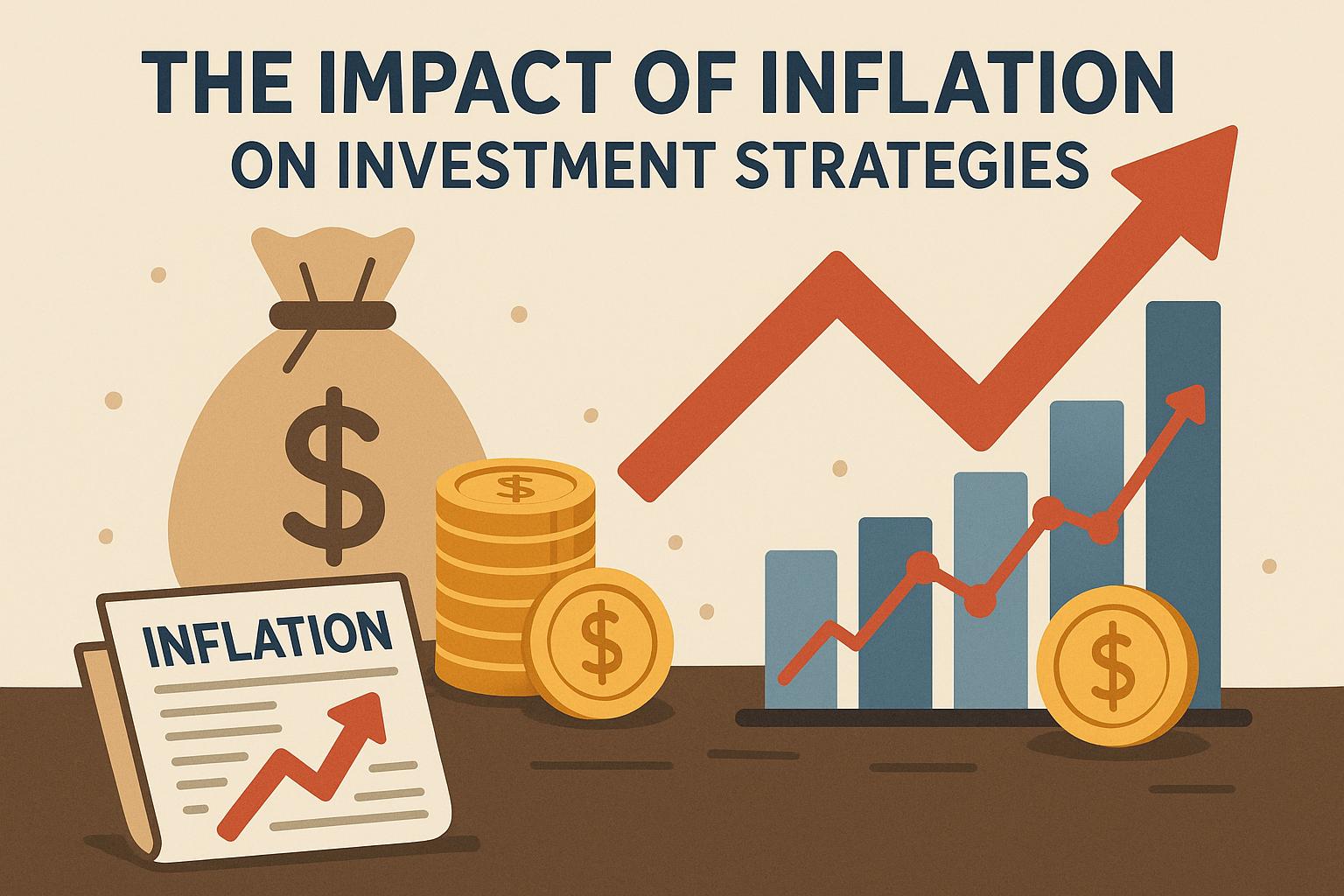
Inflation is a critical economic factor that can significantly influence investment strategies. Understanding its effects and adjusting strategies accordingly can help investors protect their portfolios and potentially enhance returns. Here, we will delve deeper into the complexities of inflation and explore various investment strategies that can help mitigate its impact on your financial endeavors.
Understanding Inflation
Inflation refers to the general increase in prices and the corresponding decrease in purchasing power. It is typically measured by the Consumer Price Index (CPI) and can have various underlying causes, such as supply chain disruptions, increased demand, or changes in monetary policy. As inflation takes hold, the purchasing power of money decreases. This process impacts not only the cost of living but also the value of investments. To fully grasp how inflation influences investments, it’s crucial to understand the mechanics behind this economic phenomenon.
Inflation can be driven by several factors, including:
1. Supply Chain Disruptions: Interruptions in supply chains can lead to a shortage of goods and services. As demand outstrips supply, prices tend to rise, contributing to inflation. Such disruptions may arise from geopolitical tensions, natural disasters, or pandemics, which hinder the flow of goods and services worldwide.
2. Increased Demand: When consumer demand for products and services surges beyond the economy’s capacity to produce them, prices are likely to increase. This demand-pull inflation can occur during periods of economic recovery or when consumer confidence is high.
3. Monetary Policy Changes: Central banks, through monetary policy, exert considerable influence over inflation rates. By adjusting interest rates and controlling the money supply, central banks can either stimulate economic growth or rein in inflationary pressures.
Inflation’s Direct Impact on Investments
Investments are not immune to the effects of inflation. Several direct impacts can alter the landscape of investment portfolios:
Real Returns Reduction: As inflation rises, the real value of returns on investments can erode. For example, if an investment yields a nominal return of 5% and inflation is at 3%, the real return is only 2%. This erosion means that the purchasing power of the returns diminishes, posing a significant challenge, particularly for fixed-income investments like bonds.
Interest Rates: Often, central banks may increase interest rates to combat inflation. Higher interest rates can lead to a decrease in bond prices, affecting their market value. This scenario makes new bonds more attractive due to their higher yields, while existing bond prices decrease. Consequently, investors might face losses if they need to sell older bonds before maturity.
To mitigate these effects, investors should consider adopting strategies that align with their financial goals, risk tolerance, and investment timelines.
Investment Strategies to Mitigate Inflation Risks
There are several strategies investors can consider when aiming to protect their portfolios from the adverse effects of inflation. These investment approaches cater to different risk tolerances and time horizons:
Invest in Inflation-Protected Securities: Instruments like Treasury Inflation-Protected Securities (TIPS) are specifically designed to protect against inflation. TIPS adjust their principal value with inflation, ensuring that returns reflect real purchasing power. By incorporating TIPS into a portfolio, investors can hedge against the risk of eroding purchasing power.
Diversify in Equities: Stocks, especially those of companies with strong pricing power, can serve as a buffer against inflation. Companies in sectors like consumer staples, energy, and technology often have the capability to pass increased costs to consumers, thereby maintaining profitability. Investing in these equities can provide growth potential during inflationary periods.
Real Assets: Investments in real assets, such as real estate or commodities, can also act as a hedge against inflation. Real estate typically appreciates over time and can generate rental income, while commodities like gold are known to retain value during inflationary periods. These real assets provide tangible value, offering a level of security against the erosive effects of inflation.
Monitoring Economic Indicators
To effectively navigate the challenges of inflation, investors must remain vigilant and informed about key economic indicators. These indicators serve as signals for potential inflationary trends and help prepare for any necessary adjustments to investment strategies.
Reports on employment figures, consumer spending, and monetary policy decisions set by central banks can provide valuable insights into emerging inflationary pressures. By closely monitoring these indicators, investors can make more informed and timely decisions regarding their investment portfolios.
Understanding how employment rates influence consumer behavior, alongside insights into governmental fiscal policies and central bank strategies, allows investors to anticipate shifts in inflation and adjust their strategies proactively.
Conclusion
Incorporating an understanding of inflation and its potential effects into an investment strategy is crucial for safeguarding and potentially enhancing financial returns. By leveraging investment tools such as diversified equities, TIPS, and real assets, investors can better position themselves to navigate periods of inflation. These strategies offer avenues to mitigate the risks associated with inflation and preserve the value of investment portfolios over time.
Moreover, maintaining an ongoing awareness of economic indicators and staying informed about economic trends allow investors to make well-informed decisions. For more in-depth analysis and strategic investment ideas, consider accessing resources like Investopedia, which provides comprehensive financial insights and updates.
This article was last updated on: August 25, 2026