Understanding Active Investing
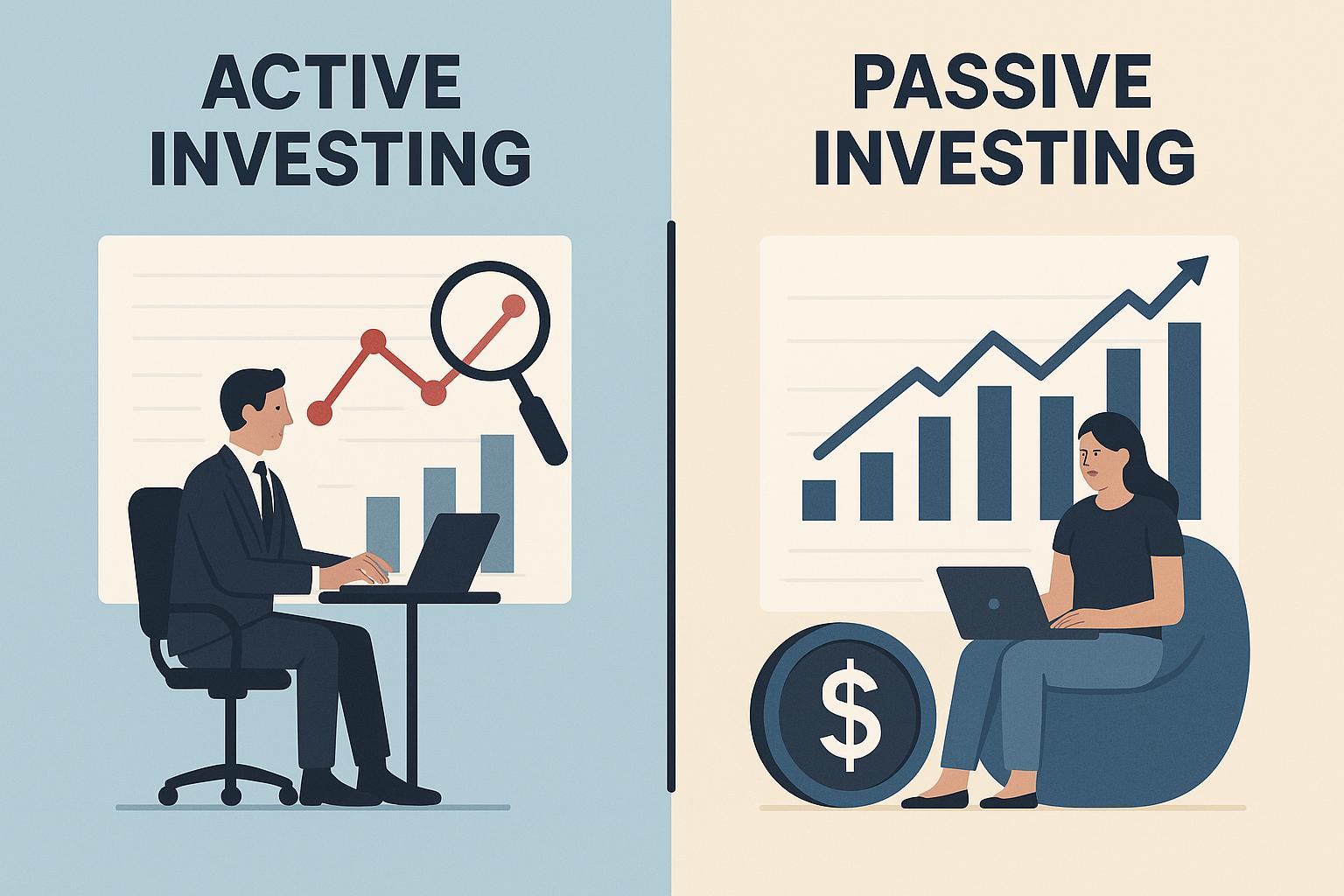
Active investing involves a hands-on approach, where fund managers or individual investors regularly buy and sell stocks with the aim of outperforming a specific benchmark or index. This style of investing is characterized by its reliance on comprehensive research, forecasts, and most importantly, the experience of the portfolio manager. Active investors maintain that, unlike passively following an index, strategic timing and selective choice of investment assets can actually result in higher returns than what traditional indices might offer.
Active investing calls for an intensive involvement from investors and fund managers alike. It requires constant vigilance over the market trends and the ability to anticipate movements before they occur. This proactive approach boasts potential for high rewards but equally presents challenges and risks.
Key Components of Active Investing
Active investing necessitates a significant commitment of time, as well as ample resources, from the investors. Several vital components shape the framework of active investing:
Research and Analysis: Investors or fund managers are often required to conduct in-depth research that spans across various sectors. This includes the study of economic data, recognizing market trends, and evaluating individual company performance. The goal here is to have a deep understanding of forces that could influence stock prices.
Market Timing: Perhaps one of the most crucial, yet challenging aspects of active investing is the art of market timing. Investors attempt to buy low and sell high based on their predictions about short-term market movements. While potentially lucrative, market timing is fraught with risk and requires a blend of experience, intuition, and analytical skills.
Portfolio Management: Active investing often involves regular adjustment of portfolio allocations. This is informed by ongoing analysis and changing market conditions. Constant evaluation of asset performance and adjustments to asset allocations are required to ensure alignment with investment goals and strategies.
Considerations of Active Investing
One of the primary considerations of active investing is the higher cost associated with it. Active investing often involves frequent portfolio adjustments and high transaction rates, which in turn lead to elevated management fees. Besides cost, active investing comes with the risk of human error. Decisions made by the portfolio manager may not always lead to the desired outcomes, which could potentially erode the very returns they aim to increase.
Furthermore, the success of active investing depends significantly on the skill, expertise, and decisions of the fund manager. The effectiveness of these decisions can be subjective and influenced by unpredictable market forces. As a result, active investing requires a robust understanding of the market and strategic foresight. For more detailed analysis, one could explore resources such as investment strategy guides.
Exploring Passive Investing
On the other hand, passive investing presents a contrasting approach. It focuses on long-term investment in a diversified portfolio that mirrors a market index. This strategy is built on the belief that markets are inherently efficient, and that consistently outperforming them is nearly impossible without incurring higher risks.
Passive investing eschews frequent trading activities and instead focuses on a steadier approach, which involves fewer adjustments and less management intervention.
Key Aspects of Passive Investing
Passive investing primarily focuses on minimization of active management. The key facets of passive investing encompass:
Index Funds: A central element of passive investing is the use of index funds or exchange-traded funds (ETFs). These are structured to replicate the performance of specific indices like the S&P 500. The goal is not to beat the market but to match its performance by ensuring broad market exposure.
Lower Costs: Due to limited management activities and fewer transactions, passive investing typically incurs significantly lower fees. This cost advantage plays a major role in preserving an investor’s long-term returns.
Long-Term Focus: Passive investors generally maintain their portfolios over longer periods, prioritizing steady growth over swift gains. This allows investments to compound over time and protect against the short-term volatility that often concerns active investors.
Advantages of Passive Investing
The primary advantage of passive investing is its cost-effectiveness. By bypassing frequent trades and high management fees, passive investing helps maximize net returns. Additionally, passive investing reduces exposure to the risk associated with timing the market. By following a predetermined strategy over the long term using widely recognized indices, investors can avoid the pitfalls of making rash, short-term decisions.
Studies indicate that passive investing can actually lead to comparable or even superior returns over extended periods. This makes it an attractive choice for many investors, especially those who prefer a hands-off approach or wish to mitigate the complexities and stress associated with active investing. To gain deeper insights, you might consider visiting investment insights platforms.
Conclusion
Both active and passive investing offer distinct methodologies for growing wealth. They cater to varying investor preferences, financial goals, and risk appetites. While active investing emphasizes strategic decision-making with the potential for high returns, passive investing prioritizes cost-efficiency and long-term growth prospects. Despite their differences, both strategies present unique benefits and challenges; the most suitable choice relies heavily on the individual investor’s objectives, financial situation, and threshold for risk.
The decision between active and passive investing isn’t binary. Some investors choose a blend of both strategies, capitalizing on active management in volatile sectors, while sticking to passive strategies in more stable segments. Ultimately, understanding the nuances of both approaches allows investors to make informed decisions that align with their investment goals.
This article was last updated on: August 6, 2026