Understanding Margin Trading
Trading on margin is a financial strategy that involves borrowing funds from a broker to engage in the trading of various financial assets. This approach enables traders to invest more than what their cash balance might typically allow. Margin trading is highly prevalent in markets such as stocks, foreign exchanges (forex), and futures, offering traders the ability to potentially achieve higher returns by magnifying the impacts of price changes.
How Margin Accounts Work
To engage in margin trading, traders are required to open a margin account with their broker. This specialized account allows them to borrow a predefined percentage of a trade’s value while using their pre-existing funds as security. The execution of these trades becomes possible through the flexibility offered by margin accounts, but it is important for traders to understand that the broker will charge interest on the borrowed capital. The specifics of these conditions can differ significantly depending on the broker or platform used, so it is imperative for traders to examine these requirements meticulously before diving into margin trading.
When a margin trade is executed, the equity in the trader’s account serves as a protective layer against potential losses. For instance, if a trader intends to purchase stocks valued at $10,000 and the broker extends a 50% margin requirement, the trader must have a minimum balance of $5,000 in their own funds. The broker will then lend the remaining $5,000, allowing the trader to acquire a larger quantity of shares than would be possible through their funds alone.
The Role of Leverage
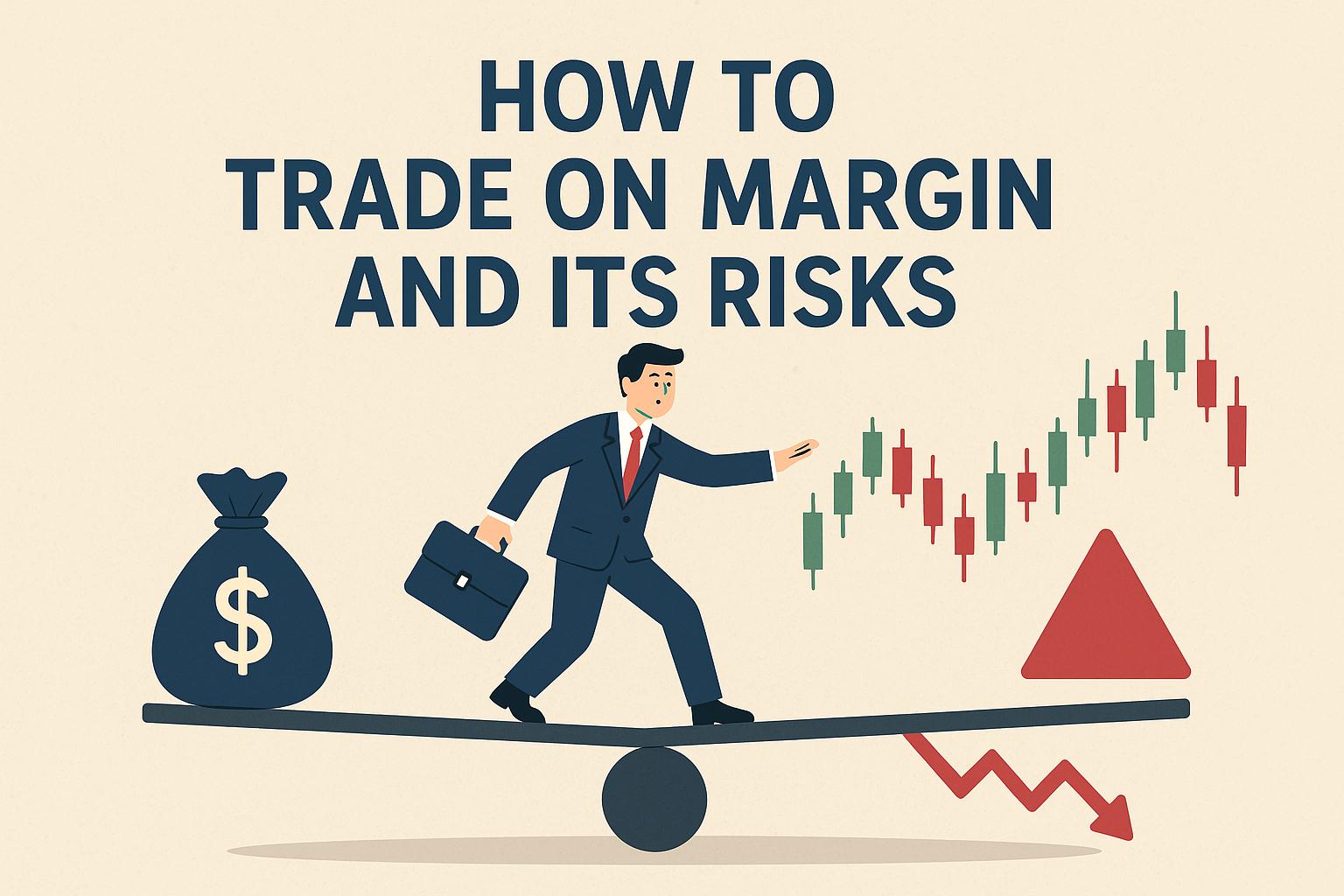
Leverage plays a fundamental role in margin trading by effectively amplifying both potential profits and potential losses. For example, operating with a leverage ratio of 2:1 would enable a trader to control a position twice the size of their actual cash investment. This amplification can result in significantly increased gains from favorable price movements, but it also drastically elevates the financial risk involved. Traders must grasp this duality of leverage, understanding that while it opens avenues for enhanced returns, it also makes their positions exceedingly vulnerable to adverse market shifts.
Risks Involved in Margin Trading
The use of leverage in margin trading introduces numerous significant risks. One of the principal concerns is that even minor fluctuations in the financial markets can lead to substantial financial gains or losses. When the value of assets secured through margin trading decreases, traders may find themselves in a situation where they are obligated to deposit additional funds to meet the broker’s margin requirements. This event is known as a margin call. If the trader cannot fulfill this demand, the broker might be forced to liquidate the trader’s positions, often at a loss.
Additionally, the interest accrued on the borrowed funds can progressively accumulate, ultimately diminishing the potential profitability of trades. This is especially problematic if the trades are held longer than originally planned, leading to a counterproductive increase in costs related to the interest charged by the broker.
Risk Management Strategies
Given the heightened risks associated with margin trading, traders must adopt effective strategies to manage these risks prudently. One widely implemented method is the use of stop-loss orders, designed to limit losses by selling a security once it reaches a specific price threshold. Regularly monitoring market conditions is also vital to make informed decisions and adjust strategies as needed. Avoiding excessive leverage is another essential aspect of risk management, as taking on too much leverage can quickly lead to significant financial exposure.
Diversification forms a core component of risk management strategies, helping traders spread risk across various assets to avoid an over-concentration in a single investment. This technique could potentially absorb shocks in one particular market or asset, thereby safeguarding the overall portfolio from volatile swings that could lead to losses.
For traders who wish to deepen their understanding of margin trading and its complexities, consulting with financial advisors or exploring tailored trading platforms can be extremely beneficial. These sources can provide expert insights and personalized advice, helping traders navigate the intricacies of margin trading effectively.
To successfully engage in margin trading, traders need a comprehensive understanding of market dynamics, disciplined risk management practices, and a clear awareness of the broker’s specific terms and conditions. While margin trading offers a tempting possibility for increased returns, it is crucial for traders to recognize and prepare for the accompanying risks. This preparation ensures that any venture into margin trading is informed, strategic, and aligned with a trader’s financial objectives and tolerance for risk.
This article was last updated on: September 17, 2026