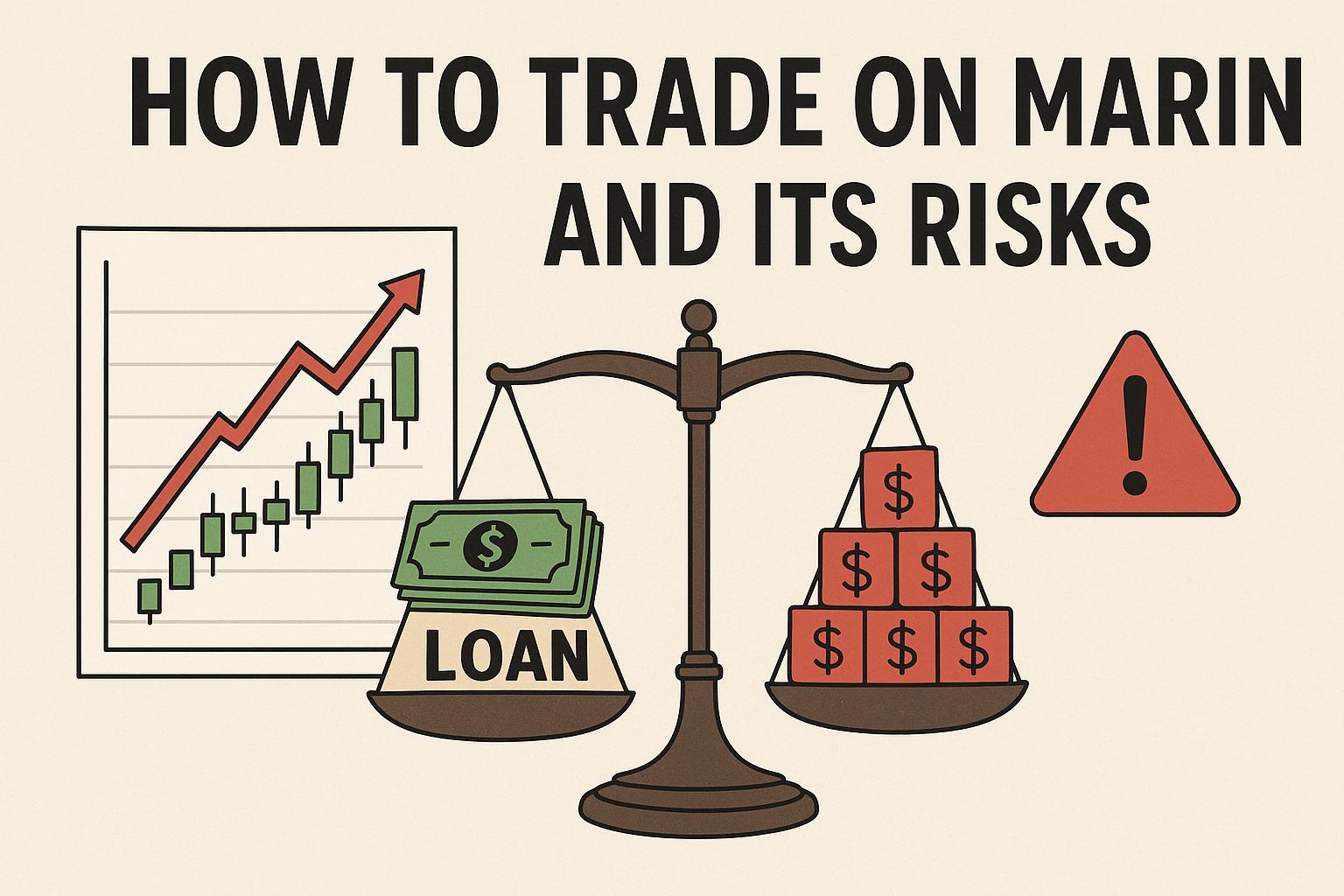
Understanding Margin Trading
Margin trading is a practice used by investors to enhance their purchasing power, enabling them to acquire more securities than they could with just their available cash. This is achieved by borrowing funds from a broker, using the securities held in the investor’s account as collateral. This approach not only requires a strategic mindset but also a solid understanding of the mechanisms and risks involved in margin trading.
How Margin Trading Works
The concept of margin trading involves engaging in transactions within a specially designated margin account, distinct from a standard cash account. This specialized account, offered by brokerage firms, equips investors with the ability to borrow money for the purpose of purchasing additional stocks or other securities. The amount that can be borrowed is governed by the broker’s margin requirements, which generally vary based on the types of assets involved.
Initial Margin Requirement:
To initiate borrowing in a margin account, investors must first meet the initial margin requirement. This refers to the percentage of the purchase price of securities that investors must pay for with their own cash or equity before they begin to borrow from their broker. For numerous equity securities, the Financial Industry Regulatory Authority (FINRA) mandates an initial margin of 50%. This means that, at the time of purchase, investors must provide at least 50% of the total purchase price of the security.
Maintenance Margin:
Once securities are purchased, investors must maintain a certain level of equity in their account, known as the maintenance margin. This is the minimum account balance that must be maintained to continue holding a leveraged position. Should the account’s value dip below this threshold, the investor will face what is known as a margin call, necessitating additional funds to be deposited or requiring asset liquidation to meet the account’s minimum equity requirements.
Process of Margin Trading
Opening a Margin Account:
The first step in the margin trading process is opening a margin account with a brokerage. This requires an understanding of the risks and involves signing agreements that outline the conditions and risks associated with trading on margin.
Borrowing Funds:
With the margin account established, the investor gains the capability to borrow funds from the brokerage up to a specified limit. This borrowed money can then be used to purchase additional securities. The limit is often determined by the brokerage, based on the asset type and the investor’s financial capacity.
Repayment of Borrowed Funds:
Any funds borrowed within a margin account must eventually be repaid. Investors can repay their borrowed amounts using funds from the sales of securities within their account or by depositing additional money. Maintaining timely repayment, along with interest, is crucial to managing the financial health of a margin account.
Risks of Margin Trading
While margin trading has the potential to amplify profits, it simultaneously increases the risk of incurring substantial losses. It’s vital to fully grasp the intrinsic risks before venturing into margin trading.
Increased Loss Potential:
Leveraging borrowed money can lead to losses that surpass the initial investment. For instance, if the market value of the securities sharply declines, the investor may find themselves owing more than their invested capital.
Margin Calls:
A significant risk associated with margin trading is the possibility of experiencing a margin call. A margin call is triggered when the account’s value falls below the maintenance margin requirement set by the brokerage. This forces the investor to inject more funds into the account or to liquidate some holdings. Ignoring or failing to meet a margin call can result in the brokerage liquidating the investor’s securities to cover the outstanding loan.
Interest Costs:
Engaging in margin trading entails incurring interest expenses from the borrowed funds. Over time, these costs can accumulate, eating into potential profits.
Leverage Risks:
The use of leverage through margin trading substantially magnifies both potential gains and losses. In volatile market scenarios, leveraged positions can quickly become precarious if the market moves unfavorably.
Conclusion
Margin trading presents itself as an appealing opportunity for experienced investors who aim to amplify their potential returns. However, embarking on this path requires a comprehensive understanding of not only the mechanics involved but also the potential pitfalls. It’s essential to approach margin trading with caution and a well-informed strategy. To gain more nuanced insights into margin trading offerings, it is advisable to consult reputable financial sources or seek advice from a certified financial advisor.
Margin trading can serve as a powerful tool in an investor’s arsenal when used prudently. Understanding the terms and implications, managing risks judiciously, and adhering to sound financial practices can help mitigate the challenges inherent in leveraging investments through borrowed funds. As with any investment strategy, preparation, awareness, and continued education are key components in ensuring that the pursuit of enhanced returns does not lead to unexpected financial exposure.
This article was last updated on: September 24, 2026