Understanding Bond Investing
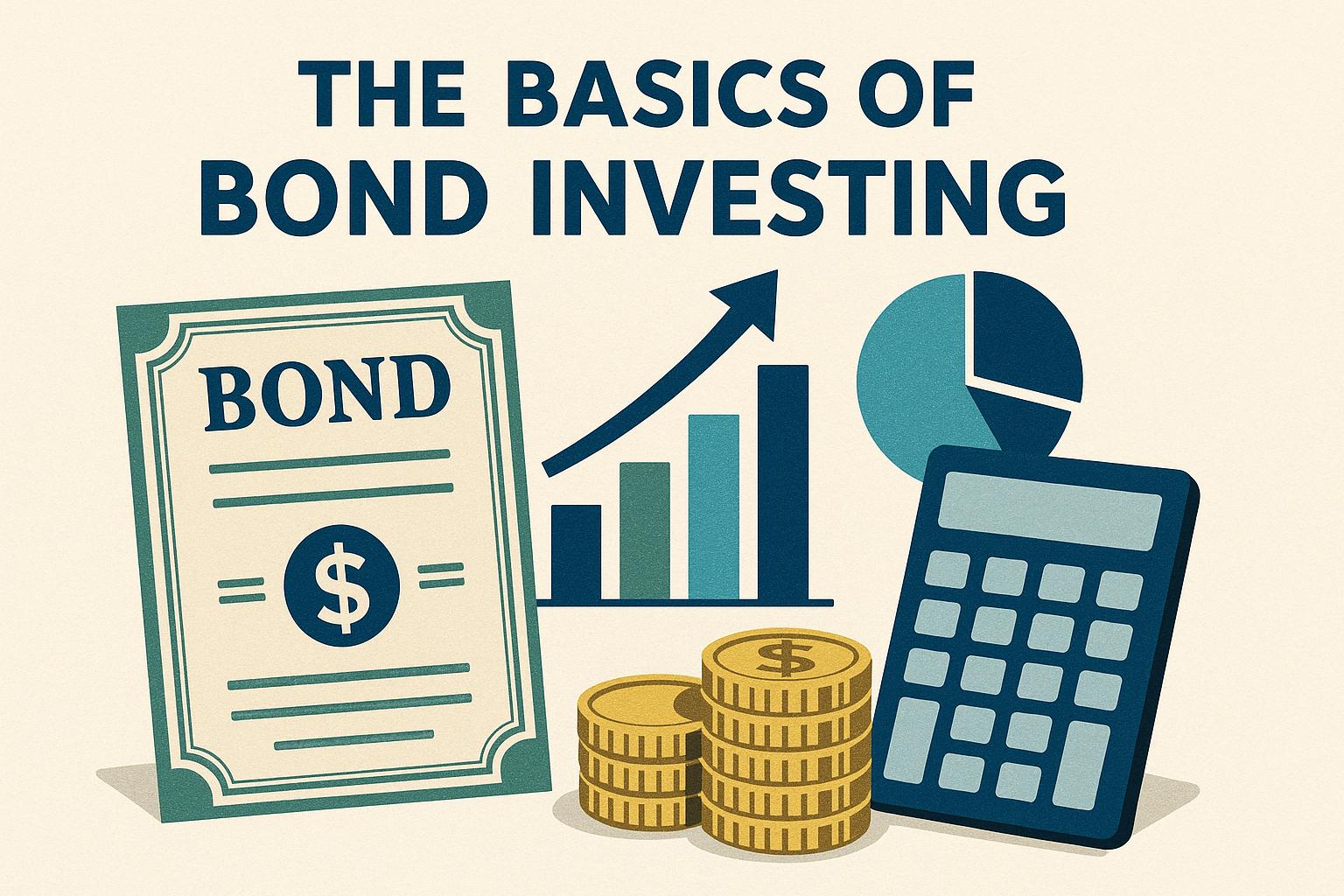
Bond investing plays a pivotal role in the landscape of investment strategies, particularly for those aiming to create a balanced and diversified investment portfolio. Essentially, bonds are instruments of debt issued by entities seeking to raise funds. These entities generally include large organizations such as corporations or government bodies. Investors who purchase bonds are effectively lending their capital to these entities, with the expectation of receiving scheduled interest payments and the repayment of the principal amount, also known as the bond’s face value, at a specified future date.
Types of Bonds
One of the greatest advantages of bond investing is the variety of bond types available, each characterized by its unique features and risk levels. Understanding these distinctions can help investors choose bonds that align with their investment goals and risk tolerance.
Government Bonds: Government bonds are issued by national governments and are considered to be among the safest investment options available. Due to the backing of the government, these bonds, such as U.S. Treasury bonds, are viewed as having a low risk of default. They are a preferred choice for risk-averse investors seeking stability over higher yields.
Municipal Bonds: These bonds are issued by state or local government entities, such as cities and municipalities. A distinctive characteristic of municipal bonds is their tax-exempt status, which can be particularly appealing to investors in high tax brackets. However, investors should be aware of the credit quality of the municipalities issuing these bonds.
Corporate Bonds: Corporations issue bonds when they require capital for various organizational initiatives, such as expansions or acquisitions. Corporate bonds usually offer higher interest rates compared to government bonds, reflecting the increased risk associated with company-issued securities. Investors are enticed by the potential for greater returns but should evaluate the issuing corporation’s financial health.
Foreign Bonds: Issued by foreign entities, these bonds introduce a level of international diversification into an investor’s portfolio. However, they also bring additional risks, such as political instability or currency exchange fluctuations. A thorough assessment of the economic and political conditions in the issuer’s country is vital.
How Bonds Work
From a functional standpoint, bonds are relatively intuitive financial instruments. When an investor opts to purchase a bond, they essentially engage in lending capital to the issuer for a predetermined duration. In exchange, the bondholder receives regular interest payments throughout the bond’s life. Upon reaching the bond’s maturity date, the issuer is obligated to repay the bond’s face value to the investor. This straightforward transaction process is appealing to those seeking predictable income streams and capital preservation.
For those eager to explore this subject further, numerous resources are available that provide in-depth insights into the mechanics of bonds, such as educational content available on websites like Investor.gov.
Key Terms in Bond Investing
Navigating the bond market requires a foundational understanding of specific terminologies that define bond operations:
Face Value: Also referred to as par value, this represents the amount paid back to the bondholder when the bond reaches maturity. Typically, bonds are issued in denominations ranging from $1,000 and upwards.
Coupon Rate: This rate signifies the annual interest payment bestowed to the bondholder based on the bond’s face value. The coupon rate is expressed as a percentage and is typically fixed when the bond is issued, providing clarity on expected returns.
Maturity Date: The maturity date is a critical feature of a bond, marking the expiry of the bond agreement. On this date, the issuer is expected to repay the face value to the investor, thereby closing the financial obligation.
Yield: The bond yield reflects the return on investment from purchasing a bond. Yield calculations can vary, incorporating factors such as the market price of the bond, the annual interest returns, and the bond’s worth upon maturity.
Risks Associated with Bond Investing
Although bonds are regarded as a conservative investment relative to equities, they are not immune to risks. Understanding these potential pitfalls enables investors to make more informed decisions.
Interest Rate Risk: The prices of existing bonds are inversely related to interest rates in the market. When interest rates rise, the value of pre-existing bonds tends to fall as newer bonds enter the market offering higher yields. This risk is particularly pertinent to long-term bond investors.
Credit Risk: Also known as default risk, credit risk pertains to the chance that a bond issuer may fail to make the agreed interest payments or return the principal at maturity. Higher-yield bonds, such as corporate or foreign bonds, are more susceptible to this risk.
Inflation Risk: Inflation erodes the purchasing power of money over time, which can adversely impact the real returns from a bond investment. For bonds with fixed interest payments, a surge in inflation could diminish the bondholder’s actual financial gain.
Understanding these risks, alongside the various bond types available and how they operate, is pivotal in crafting a bond investment strategy aligned with individual financial objectives. Seasoned investors often leverage bonds for their stability, reliable income, and as a hedge against equity market volatility. By grasping the underlying mechanics and risks associated with bond investing, an investor is better positioned to make strategic decisions tailored to their specific financial aspirations and risk tolerance.
This article was last updated on: April 26, 2026