What is Short Selling?
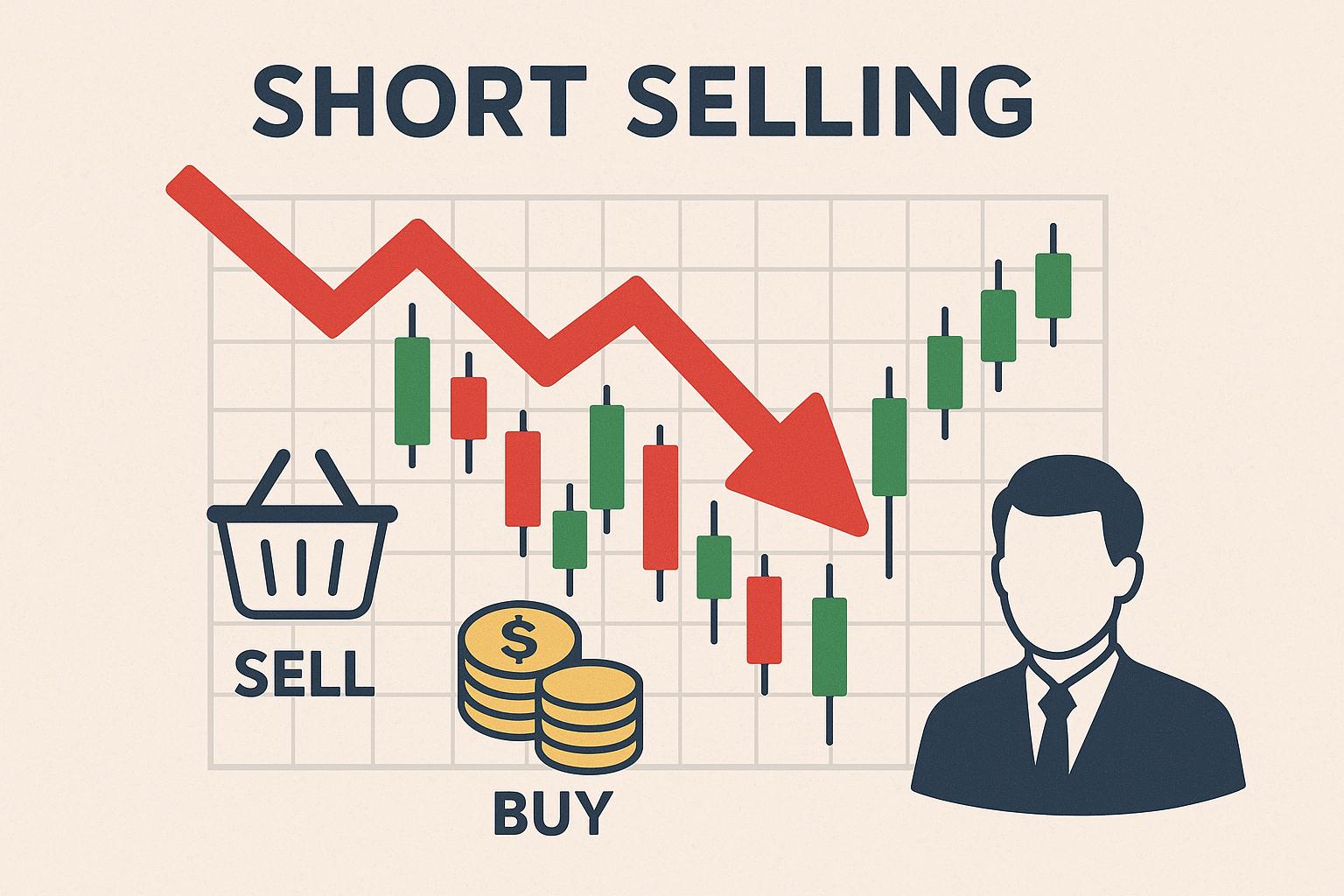
Short selling is a powerful trading strategy that enables investors to profit from a decrease in the price of a security. Essentially, it involves the sale of a security that the seller does not currently own, with the expectation of repurchasing it later at a reduced price. This method is applicable in various financial markets, including stocks, currencies, and commodities.
How Does Short Selling Work?
To engage in short selling, an investor begins by borrowing the security from a broker, which is then sold on the open market. Brokers typically lend these securities either from their own inventory or from other clients who have agreed to lend the securities out while holding them in their accounts. The motive behind short selling is the anticipation that the security’s price will drop, enabling the investor to repurchase it at a lower cost, return the borrowed securities, and realize the profit, which is the difference between the initial sale price and the repurchase price.
Example of Short Selling
For illustrative purposes, imagine an investor convinced that the stock of Company XYZ, currently priced at $100 per share, is poised for a decline. The investor proceeds to borrow 100 shares of XYZ from a broker and sells them at the market price, thus receiving $10,000. When the price descends to $80 per share, the investor repurchases the 100 shares for $8,000, returns them to the broker, and retains a $2,000 profit, after subtracting any transaction-related fees. This scenario demonstrates the basic mechanics of profiting from short selling.
Risks Involved in Short Selling
Despite its potential for profitability, short selling is laden with significant risk, surpassing that of traditional long buying strategies. A security’s price can theoretically increase indefinitely, rendering the potential losses from a short position unlimited. In situations where market sentiment shifts unexpectedly positive or if a company forecasted to decline discloses favorable news, the security’s price may surge, inciting substantial losses for the short seller. This situation, known as a “short squeeze,” exemplifies an acute risk factor inherent in short selling.
Market Conditions Favoring Short Selling
Typically, short selling is more effective under bearish market conditions, where there is a general downward trend. Traders might also employ short selling as a means of hedging to mitigate potential losses from other investments. Despite its benefits, it demands meticulous analysis and a comprehensive understanding of the market dynamics to be executed successfully.
Short selling stands out as a complex yet valuable strategy within the traders’ toolkit. To optimize its use, traders and investors must proceed with caution, sound judgment, and informed analysis. For those seeking to deepen their understanding of short selling, consulting reputable financial resources such as Investopedia is advisable. Engaging with professional financial advisors can also provide further insights and allow for informed decision-making based on expert guidance.
Exploring the complexities of short selling reveals that while it presents risk, it also offers opportunities for significant profit, assuming a detailed, informed, and strategic approach is followed. Different market conditions, investor strategies, and understanding of economic climates play vital roles in determining the success and efficiency of short selling as a strategy.
Borrowing Mechanics and Broker Requirements
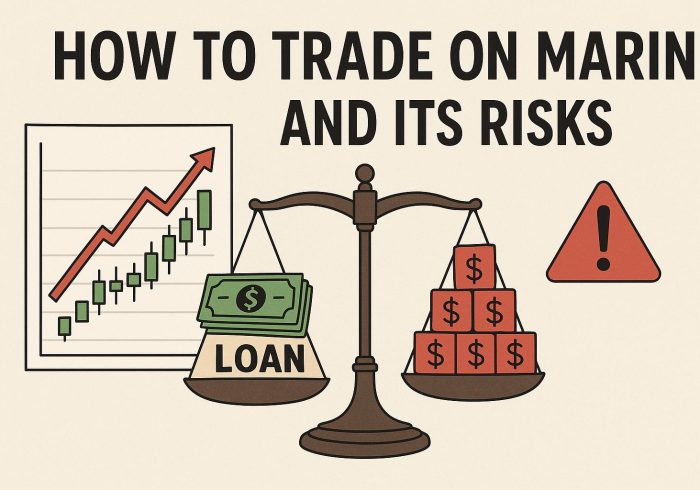
Learning the ropes of short selling isn’t complete without understanding the mechanics of borrowing securities. Usually, when borrowing securities for short selling, the investor must maintain a margin account with the broker. This account involves a set of rules where the investor must keep a minimum amount of funds within the account – often a percentage of the total value of the borrowed securities. This margin acts as security for the borrowed securities, ensuring that the broker has a buffer in case the securities rise in price rather than drop.
The concept of a “margin call” is critical in this context. If the price of a shorted security rises significantly, surpassing the margin requirements, the broker may impose a margin call, compelling the investor to either deposit additional funds to cover potential losses or close some or all of the short positions. Understanding these mechanisms is essential for investors to manage the financial responsibilities and minimize risk associated with short selling.
Alternative Strategies and Risk Mitigation
Despite the inherent risks associated with short selling, various strategies can be employed to mitigate these risks. For instance, traders might use options as a protective measure. Buying a call option on a shorted security can limit potential losses, providing the right to purchase the security at a predetermined price if its market price unexpectedly rises. This strategy essentially acts as an insurance policy against adverse price movements, capping potential losses.
Moreover, diversification, another risk mitigation strategy, involves not concentrating on short positions in a single security or sector, but rather spreading exposure across different assets or markets. This approach can buffer against unpredictable market movements, balancing the risk-return profile of the investor’s portfolio.
Legal and Ethical Considerations
Short selling is not just a financial maneuver but also involves legal and ethical considerations. Regulatory bodies in various countries scrutinize short selling practices closely to prevent market manipulation and maintain fair trading environments. Insider trading, for example, linked with short selling, can bring serious legal repercussions. Investors are urged to remain compliant with all relevant regulations, which might vary significantly between different jurisdictions.
Ethically, short selling can be controversial, as some critics label it as a strategy that bets against the success of companies, potentially harming businesses and their stakeholders. Balanced perspectives, however, recognize that short selling adds liquidity to markets and can uncover overvalued securities, contributing to healthier market dynamics.
In sum, short selling, though intricate and demanding, can serve as a strategic tool in the experienced investor’s arsenal, enabling the possibility of profits amidst market downturns. Awareness of the operational, risk-related, legal, and ethical facets is crucial for exercising judicious and effective short selling practices. This understanding is key to leveraging the full potential of short selling, maximizing its benefits, while conscientiously managing its challenges and risks.
This article was last updated on: October 22, 2026