Understanding Commodity Trading
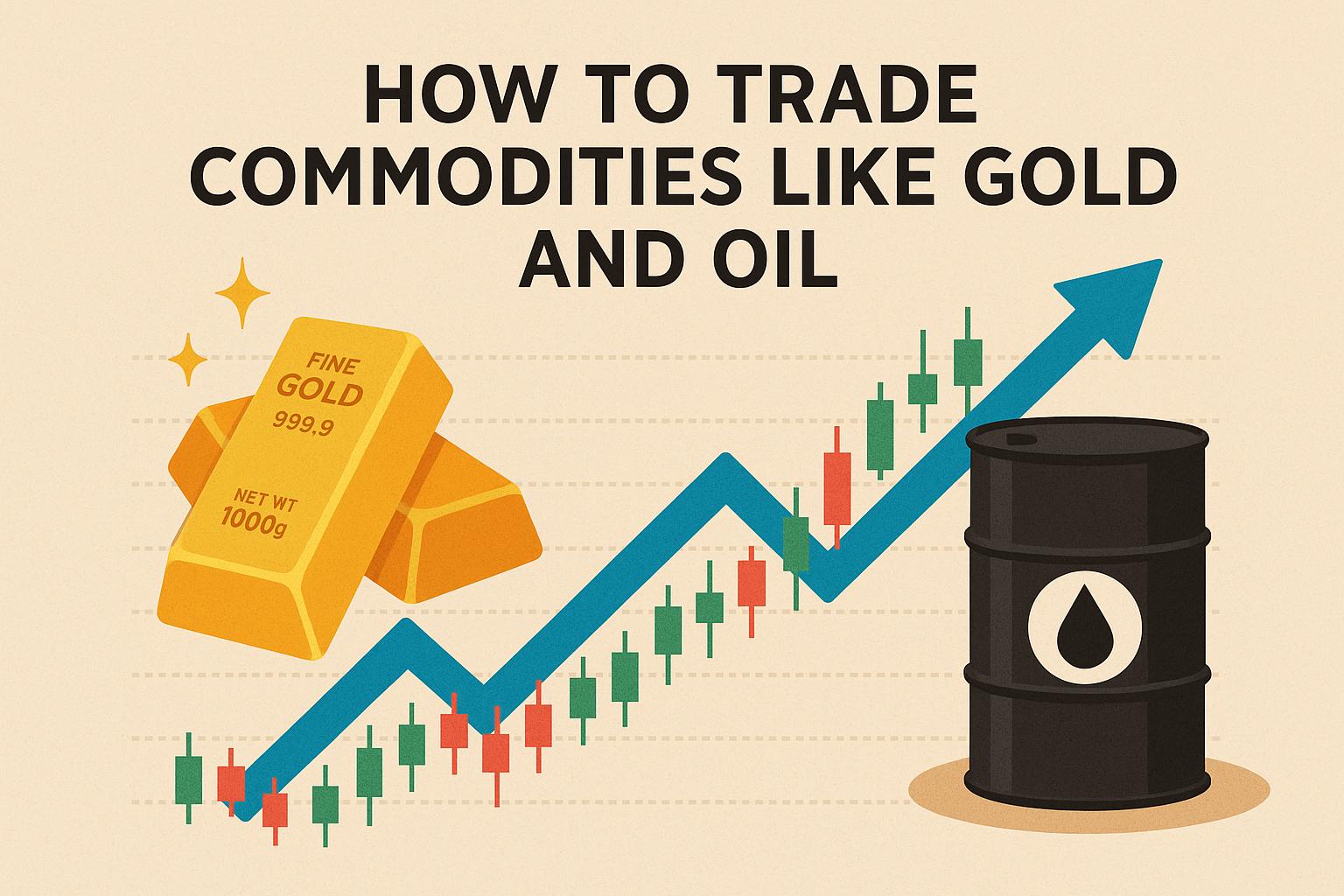
Commodity trading represents a vital component of global financial markets. Key commodities such as gold and oil form the backbone of this trading spectrum, offering investors myriad opportunities alongside notable risks. Engaging in commodity trading entails the buying and selling of raw materials or primary agricultural products. The action of trading commodities can yield high returns, but it equally requires adept risk management due to the inherent volatility of commodity markets. To be successful, market participants must have a deep understanding of the nuances that drive these markets.
Market Fundamentals
Within the commodity trading realm, exchanges serve as the platforms where participants engage in buying and selling activities. These exchanges, such as the New York Mercantile Exchange (NYMEX) for oil and the Commodity Exchange, Inc. (COMEX) for gold, facilitate a transparent and efficient trading environment. Acting as intermediaries, these exchanges offer standardized contracts that detail the quantity, quality, delivery location, and date of the commodities being traded.
Participants in these markets include a diverse array of actors, including producers, consumers, traders, and speculators, each with their respective roles and contributions. Producers and consumers aim to hedge against future price fluctuations, traders seek to profit from these fluctuations, and speculators provide liquidity by taking on additional risks.
Gold Trading
Gold, recognized as a precious metal with intrinsic value, is often perceived as a safe-haven asset, particularly during times of economic uncertainty. Its historical significance and universal acceptance make it a critical component of investment portfolios. Gold is typically traded by the troy ounce and usually priced in U.S. dollars. The factors influencing the price movements of gold are manifold and include geopolitical tensions, inflationary pressures, and currency values.
For participants keen on trading gold, there are several avenues to explore. They can purchase physical gold in the form of bars or coins, which while secure, require storage considerations and incur transaction costs. Alternatively, investors may opt to trade gold futures, where they agree to buy or sell a specified amount of gold at a predetermined price on a set future date. Finally, gold exchange-traded funds (ETFs) offer a convenient means to gain exposure to gold without the complications associated with physical ownership.
Oil Trading
Considered one of the most actively traded commodities, oil plays a critical role in the global economy. It comes primarily in two benchmarks: Brent Crude and West Texas Intermediate (WTI). The pricing of oil is highly susceptible to fluctuations driven by a multitude of factors such as geopolitical disturbances, supply chain constraints, and economic indicators worldwide. Consequently, oil markets are extremely responsive and can experience frequent and significant changes in pricing.
Oil trading mostly occurs through futures contracts. These contracts obligate participants to buy or sell a specified quantity of oil at a predetermined price on a future date. Traders must keep a vigilant eye on the market’s supply and demand dynamics, OPEC meetings, inventory levels, and geopolitical conditions that might affect production patterns around the globe.
Trading Strategies
Different strategies are employed by commodity traders to maximize returns, mitigate risks, and capitalize on market opportunities.
Fundamental Analysis: This strategy involves a deep dive into the core economic factors that govern commodity prices. Traders assess aspects such as supply-demand balance, political climates, and broader economic variables.
Technical Analysis: By employing charts and a variety of technical instruments, traders strive to spot price patterns and make informed predictions regarding future movements. This analytical approach involves studying trends, volumes, and a range of technical indicators.
Hedging: Utilized by companies with direct exposure to commodities, hedging strategies help shield their operations from abrupt price changes. For example, airlines might hedge fuel prices to stabilize costs, while agricultural producers may lock in prices for their crops.
Risks in Commodity Trading
The world of commodity trading is fraught with risks, with market volatility chief among them. Prices are influenced by an extensive array of variables, from environmental catastrophes to shifts in government policy. Traders must recognize these potential risks and develop robust risk management frameworks to safeguard their investments. Effective risk management requires understanding market stop-loss orders, diversification strategies, and setting strict profit targets to navigate through the frequent volatility.
A significant challenge for traders is predicting the impact of unforeseen events on commodity prices. Weather conditions, for instance, can influence agricultural markets extensively, while political tensions might disrupt oil supplies abruptly, causing swift price changes.
Conclusion
In conclusion, proficiency in trading commodities like gold and oil demands not just awareness of market mechanics, but also a firm grasp on the multifaceted influences affecting price movements. Success within commodity trading entails rigorous research, detailed analysis, and the formulation of cogent trading strategies. Aspiring traders need to invest in educating themselves comprehensively, potentially soliciting insights from seasoned financial advisors. Furthermore, they can exploit various educational resources available through online trading platforms, equipping themselves with the necessary skills and knowledge indispensable for thriving in competitive commodity markets.
This article was last updated on: May 24, 2026