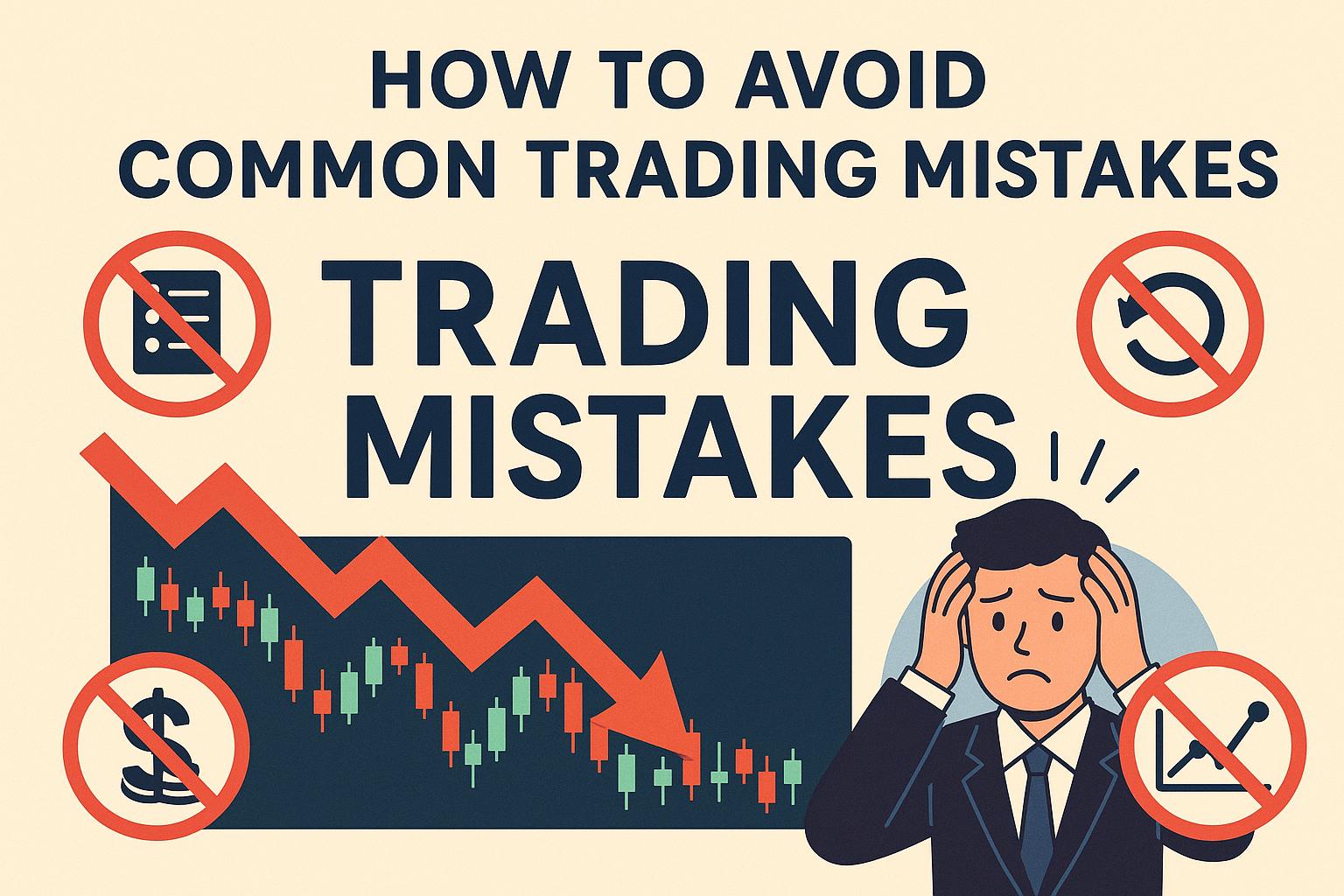
Understanding Emotional Decision-Making
In the realm of trading, emotions hold significant sway over the decision-making processes of individuals. Affecting every choice, from entering or exiting a trade to deciding how much capital to risk, emotions play a role that cannot be understated. It is widely recognized that managing emotional responses such as fear and greed is critical to successful trading. When emotions run high, they often lead traders to make impulsive decisions that deviate from their carefully crafted strategic plans. Mastery over these aspects involves creating a structured trading environment where emotional impulses are kept in check. Setting predefined trading rules and adhering to them, regardless of market fluctuations, is an essential step. This disciplined approach cannot only pave the way for more consistent results but also mitigate the risk of severe financial losses.
Set Realistic Goals
A fundamental aspect of stable trading is setting realistic and achievable goals. Traders often enter the market with the allure of quick profits in mind, a mindset fraught with potential for disappointment and reckless behavior. Success in trading is more akin to a marathon than a sprint; therefore, establishing goals that are both realistic and sustainable is paramount. One effective method is to define what you intend to accomplish over various time frames, be it daily, monthly, or annually. These objectives should be flexible enough to accommodate the unpredictable nature of the markets but firm enough to provide clear direction. Regular evaluation of your progress against these benchmarks allows you to maintain focus and stay aligned with your long-term vision. By concentrating on longer-term success rather than short-term gains, traders can avoid being swayed by temporary market volatility and potentially damaging emotional decisions.
Importance of Research and Analysis
Informed decision-making in trading stems from thorough research and analysis rather than from unreliable sources such as tips or hearsay. Decisive, well-researched strategies reduce dependency on luck and increase the probability of success. Engaging in both fundamental and technical analysis provides a solid foundation for making informed decisions. Fundamental analysis involves assessing a company’s financial health, market position, and external factors such as economic conditions, providing insight into the company’s intrinsic value. On the other hand, technical analysis examines price movements and patterns to forecast future behavior. This comprehensive understanding equips traders to steer clear of common pitfalls and make informed, calculated decisions. By integrating these analytical methods into your trading routine, you are not only better prepared to handle the unexpected but also positioned to capitalize on informed opportunities.
Utilizing a Risk Management Strategy
An often-cited mantra in trading is that effective risk management is crucial to avoiding significant trading mistakes. Identifying your risk tolerance and understanding how much risk you can realistically take on without jeopardizing your financial security is where this begins. Employing risk management strategies, such as stop-loss orders, can help in minimizing potential losses by automatically selling assets when they reach a predetermined price. This strategy allows you to manage portfolio risk more effectively and curb impulsive decision-making driven by market fluctuations. Ensuring that no single trade has the potential to impact your portfolio disproportionately is essential for maintaining a balanced trading approach. This involves careful planning and consideration of how much capital is allocated to each trade and what percentage of your total portfolio it represents. The goal is to strike a balance between securing potential gains while simultaneously minimizing risks, thereby establishing a stable foundation for your trading endeavors.
Avoiding Overtrading
Overtrading is a frequent mistake that often results from emotional responses, such as the desire to quickly recover losses or capitalize on perceived market opportunities. It can be detrimental, as it leads to erratic and unplanned trading actions, distancing one from their strategic objectives. To combat this tendency, it is vital to integrate each trade into a broader strategic plan rather than acting spontaneously based on market noise. Implementing a disciplined approach, where the focus is on quality over quantity, traders can resist the urge to trade compulsively. Sticking to a well-defined trading strategy not only reduces the chances of overtrading but also fosters consistency and rational decision-making. Recalling that every action taken in the market should serve a purpose within the larger trading objective can safeguard against the extremes of impulsive trading and potential financial ramifications.
For further insights on efficient trading practices, consider exploring additional resources that focus on investment education and strategies tailored to different trading styles. Such resources can provide a wealth of knowledge to deepen one’s understanding of trading dynamics and enhance overall proficiency in navigating the complex realm of financial markets. By continually engaging in learning and maintaining a critical perspective, traders can refine their strategies and improve their ability to manage emotions, ultimately leading to more successful outcomes in trading landscapes.
This article was last updated on: July 30, 2026