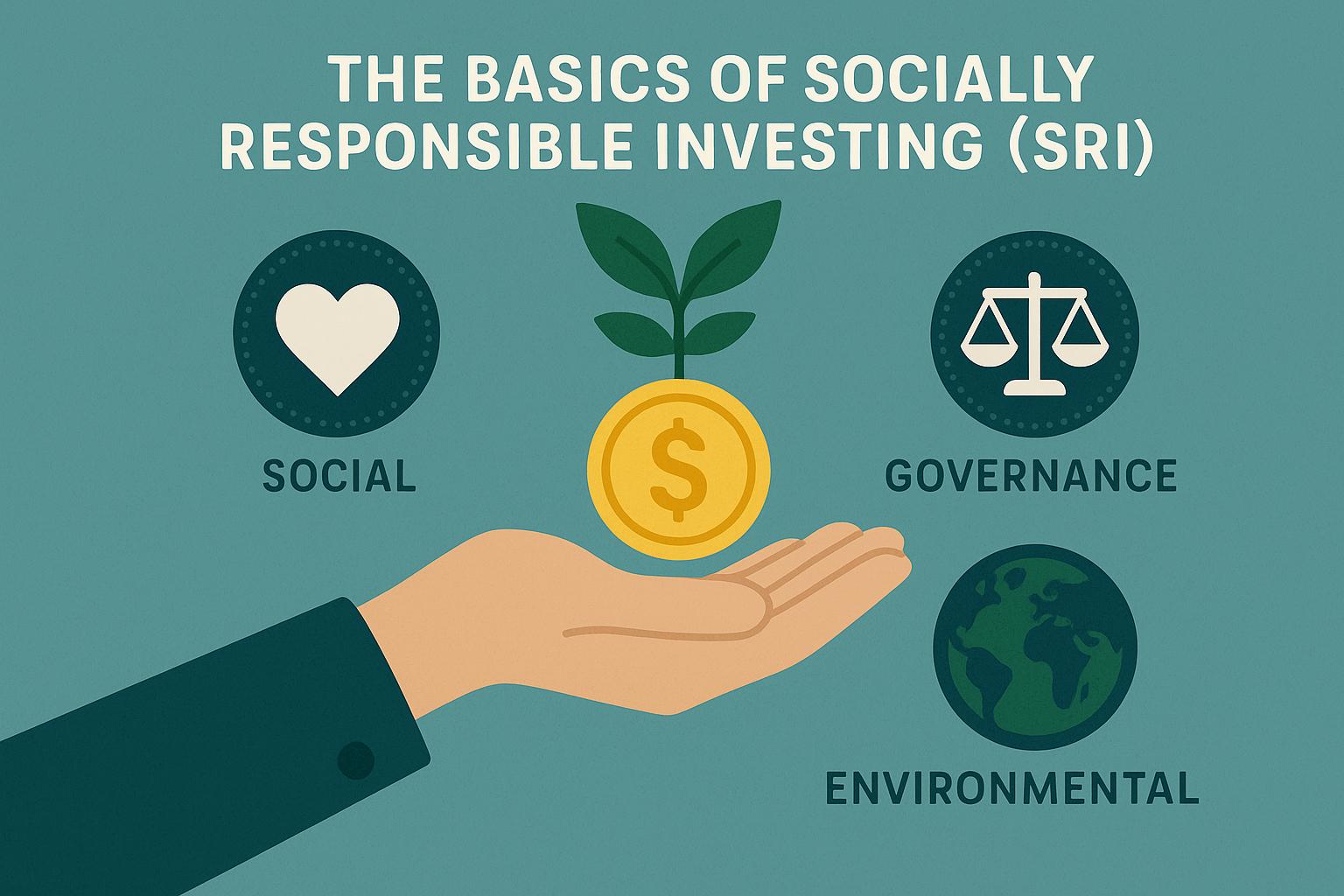
Understanding Socially Responsible Investing (SRI)
Socially responsible investing, or SRI, is a unique approach to investing that seeks to incorporate an investor’s ethical, social, or environmental priorities alongside their financial goals. This investment strategy is distinct in that it not only involves traditional financial analysis but also applies additional review criteria, both positive and negative, to assess the viability of an investment. It represents a growing trend towards investments that are supportive of broader societal goals beyond mere profit.
Principles of Socially Responsible Investing
At its core, SRI is driven by a desire to have a positive impact on the world by supporting companies and organizations that are guided by ethical or socially conscious practices. The principles behind SRI revolve around three key considerations:
Environmental, Social, and Governance (ESG) Criteria
ESG criteria form the backbone of the SRI process. These criteria provide a framework through which investors can gauge the sustainability and societal impact of their investments.
– **Environmental Criteria:** These address a company’s environmental impact, such as its use of renewable resources or its carbon footprint. With increasing concerns about climate change, how a company manages its environmental responsibilities is paramount in the decision-making process of responsible investors.
– **Social Criteria:** These examine how a company interacts with employees, suppliers, customers, and the communities in which it operates. Issues such as labor rights, diversity and inclusion, and community engagement fall under this category. A strong emphasis on social factors suggests a commitment to broader societal welfare.
– **Governance Criteria:** Governance encompasses a company’s leadership, internal controls, and shareholder rights. Good governance reflects a company’s transparency, accountability, and integrity in its operations and dealings with various stakeholders.
Positive and Negative Screening
This aspect of SRI involves selecting or excluding investments based on specific ethical criteria:
– **Positive Screening:** This involves seeking out companies that meet certain ethical standards or show exemplary leadership in areas such as clean energy innovation.
– **Negative Screening:** Conversely, this involves excluding companies from investment portfolios if they engage in activities considered unethical or harmful, such as tobacco production or involvement in the arms trade.
Shareholder Advocacy
Shareholder advocacy is another crucial feature of SRI. Investors actively involve themselves with the companies they invest in as a means to influence better business practices. This engagement can take the form of voting on shareholder proposals or initiating dialogues with company management to encourage more ethical decision-making.
Benefits of Socially Responsible Investing
Investors are increasingly drawn to SRI due to its potential for creating positive change while still offering the opportunity for competitive financial returns. The principle benefits include:
Aligning Investments with Values
One of the primary draws of SRI is the ability to align investments with personal values. It allows investors to support causes they believe in, creating a portfolio that resonates with their own ethical and moral frameworks. This alignment can foster a sense of integrity and purpose for investors.
Risk Mitigation
By integrating ESG factors into the investment process, investors can potentially reduce their portfolio’s exposure to risk. Companies that prioritize sustainability may be better prepared for regulatory shifts and environmental challenges, reducing potential financial volatility.
Long-term Performance
There is evidence to suggest that SRI can provide competitive, sometimes superior, financial returns over the long term. Socially responsible companies often embody strong management, putting them in a better position to weather economic fluctuations.
Challenges and Considerations
Though attractive, socially responsible investing is not without its challenges:
Diverse Definitions
Defining what is ‘socially responsible’ can vary widely among investors. It necessitates clear communication with financial advisors to ensure that investment choices match individual values and expectations.
Data and Transparency
Reliable ESG performance data is vital for implementing SRI effectively. Discrepancies in data quality and transparency can complicate the investment decision process, presenting obstacles for even the most dedicated investors.
Balancing Objectives
Balancing ethical objectives with financial performance requires careful consideration. Investors must navigate trade-offs between doing good and achieving financial success, which may not always align smoothly.
Conclusion
The momentum of socially responsible investing is undeniably increasing as more investors seek to make positive societal impacts through financial channels. By integrating ESG considerations, engaging proactively with companies, and effectively balancing ethical and financial objectives, SRI presents an approach to investing that allows alignment with personal values without necessarily sacrificing financial return. For those keen on exploring SRI, seeking professional advice and conducting thorough research are highly recommended to effectively navigate this evolving and multifaceted investment landscape.
This article was last updated on: July 9, 2026