The Importance of Building an Emergency Fund
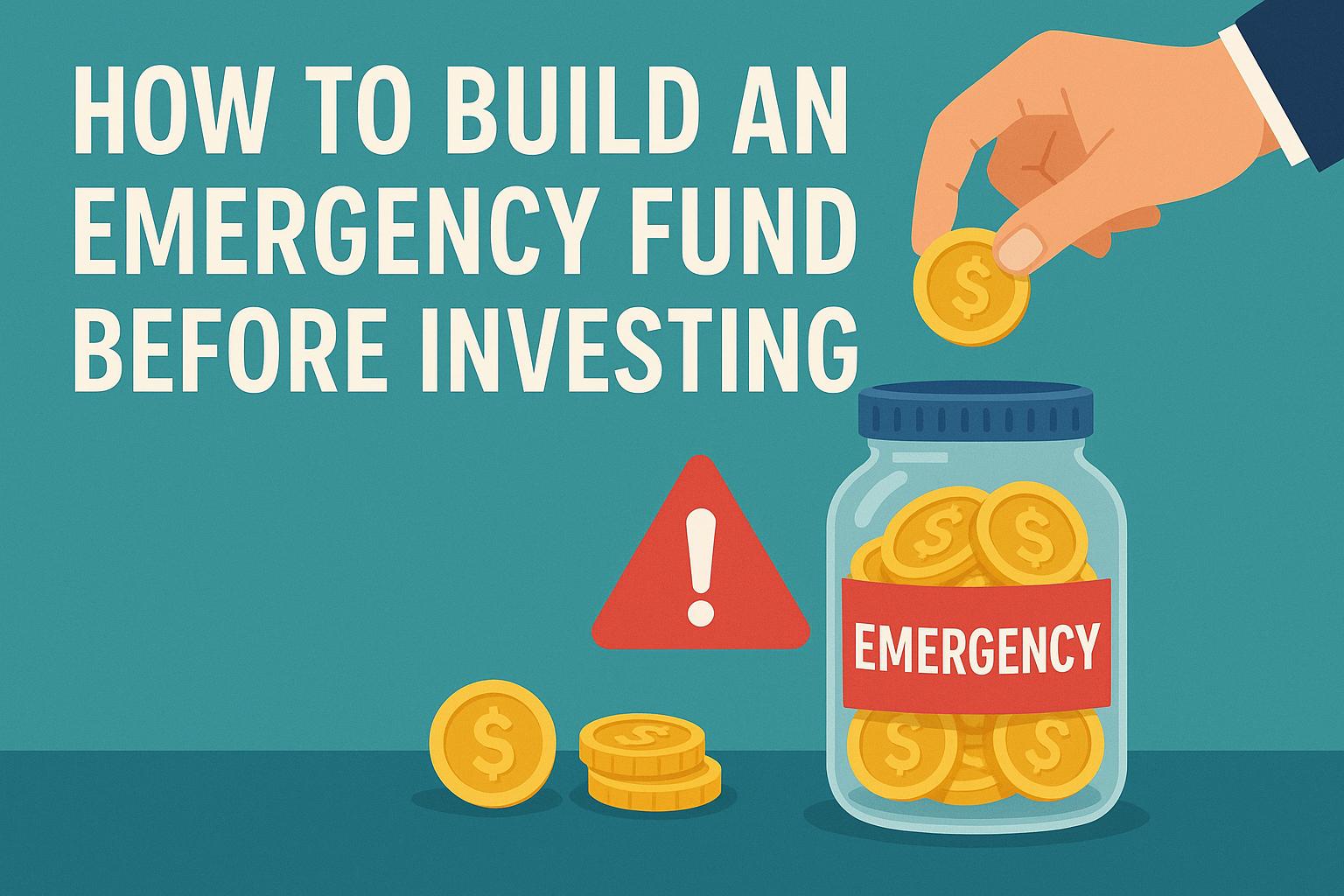
Building an emergency fund is a crucial step in achieving financial stability and security, acting as a financial buffer that safeguards against unexpected expenses. Before considering investments or other financial ventures, establishing an emergency fund is paramount. This comprehensive guide aims to elucidate effective strategies for constructing an emergency fund, while emphasizing its significance in personal finance.
Setting a Realistic Goal
The foundation of any emergency fund lies in setting a realistic savings goal. While a commonly suggested benchmark is accumulating enough to cover three to six months’ worth of necessary living expenses, it is essential to tailor this figure based on individual circumstances. Factors such as job security, familial obligations, and personal lifestyle exert significant influence over the ideal size of one’s emergency fund.
Assessing Your Monthly Expenses
To establish a realistic target, a thorough assessment of monthly expenses is required. Consider both fixed costs—such as rent or mortgage payments, utilities, and transportation—and variable costs, including groceries and healthcare expenses. This comprehensive evaluation helps in understanding the baseline financial requirements, thereby facilitating the determination of an appropriate amount for your emergency fund.
Starting Small but Consistently
Amassing a substantial fund overnight is improbable; however, initiating the process with small, consistent contributions is both feasible and strategic. Designating a fixed percentage of your monthly income to your emergency savings ensures gradual accumulation. The emphasis should be on consistency, with the setting of ambitious yet practicable goals to increase these contributions progressively over time.
Utilizing Automatic Transfers
An effective strategy to bolster your emergency fund is through the automation of savings. By configuring automatic transfers from your checking account to a designated savings account, you mitigate the risk of indulging in discretionary spending. Many financial institutions offer automated transfer services, simplifying the savings process and reinforcing financial discipline.
Prioritizing Debt Reduction
While focusing on building an emergency fund, attending to outstanding debts is equally vital. Particularly, high-interest debts can quickly amass, potentially counterbalancing any accumulation in savings. Striking a judicious balance between reducing debt and augmenting your emergency fund is imperative for holistic financial growth and stability.
Evaluating Your Debt Situation
A prudent approach involves prioritizing debts based on their interest rates and balances. Addressing high-interest debts such as credit card balances should be prioritized, as they can substantially impede financial progress. Implementing strategies like the debt snowball—paying off debts from smallest to largest—or the avalanche method—focusing on debts with the highest interest rates—can significantly facilitate debt reduction.
Selecting the Right Account for Your Fund
The effectiveness of your emergency fund is heavily influenced by the type of account in which it is stored. Accounts offering liquidity, security, and favorable interest rates are optimal for emergency funds.
Choosing a High-Yield Savings Account
High-yield savings accounts are particularly advantageous due to their superior interest rates relative to traditional savings accounts. These accounts enable your emergency fund to accrue interest while maintaining easy accessibility. It is beneficial to research various banks and credit unions to identify the most competitive rates available.
Exploring Money Market Accounts
Money market accounts offer another viable option, often providing elevated interest rates along with limited check-writing privileges. This combination of accessibility and interest growth can make money market accounts suitable for housing emergency funds, balancing liquidity with potential for financial growth.
Continuously Monitoring and Adjusting
Building an emergency fund is a dynamic process that requires periodic evaluation to ensure its adequacy and alignment with changing financial goals and needs.
Re-evaluating Your Needs Periodically
Life’s evolving circumstances—such as changes in income, family size, or health—can significantly impact your financial landscape. Regularly reviewing your emergency fund is critical to ensuring it remains sufficient in the face of these changes. Adjusting both the savings target and monthly contributions as necessary is an ongoing task to align with your financial trajectory.
Integrating with Overall Financial Planning
Consider integrating the process of building an emergency fund within a larger financial planning framework, which includes budgeting, investing, and retirement planning. By doing so, you view the emergency fund not as an isolated goal but as an integral component of your overall financial wellbeing. This holistic approach allows you to better anticipate financial contingencies while working towards sustainable long-term security.
For more detailed insights on financial planning, consider consulting additional resources to expand your understanding and effectiveness in building your emergency fund.
This article was last updated on: July 2, 2026