Understanding Alternative Assets: Art and Collectibles
The investment landscape is vast, providing a multitude of opportunities beyond traditional stocks and bonds. Among these options, alternative assets such as art and collectibles offer a unique way to diversify a portfolio. These assets are often considered uncorrelated to the stock market, potentially providing stability during market volatility.
The Appeal of Investing in Art
Art investment is intriguing due to its blend of cultural value and financial potential. While investing in art requires considerable research, it can also deliver substantial returns. Artworks by renowned artists often appreciate over time, making them a lucrative investment. Understanding the dynamics of the art market involves analyzing several crucial elements.
One of the primary factors to consider is the reputation of the artist. Works created by well-established and respected artists typically hold or increase their value. This aspect of investment hinges on the artist’s recognition and the historical significance of their work. For investors, acquiring pieces from such individuals can significantly improve the potential for appreciation.
Artwork authenticity is another cornerstone of art investment. Without verified authenticity, the integrity of an investment is compromised. Verification often involves acquiring documentation from experts or recognized institutions, ensuring the artwork’s origin and artist are correctly represented. This process can prevent financial loss and maintain the artwork’s value.
Art values are not static; they are influenced by market trends and shifts in collector interests. Staying informed about these trends is necessary for investors looking to capitalize on changes in the art market. To gain more insights, exploring resources from established art investment firms or auction houses like Sotheby’s is advisable. These entities provide valuable guidance in navigating the complexities of art investment.
Understanding the Market for Collectibles
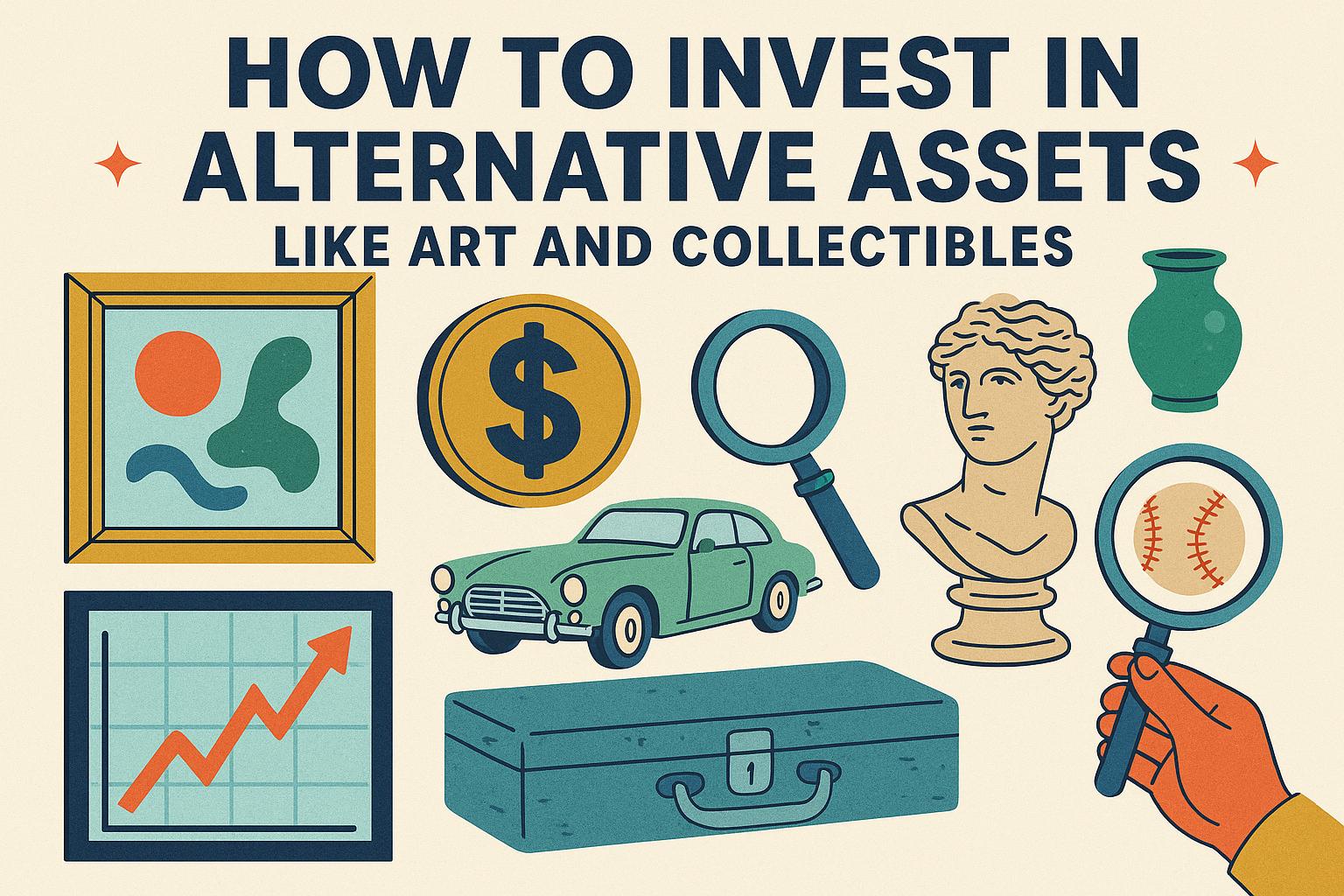
Collectibles encompass a broad range of items, from vintage cars to rare coins and comic books. Similar to art, demand and rarity drive their value. Investing in collectibles often aligns with personal interests, which can enhance knowledge and enjoyment in the investment process. Diving into the world of collectibles offers a captivating intersection of hobby and investment potential.
When venturing into collectibles, considering the condition and rarity of items is crucial. Items kept in pristine condition, paired with their scarce availability, become highly coveted, elevating their market value. Rarity is a significant influencer of desirability, and factors such as production numbers and historical context are often analyzed by astute collectors to evaluate investment potential.
The provenance of a collectible, or its documented history and origin, can significantly impact an item’s desirability and worth. Provenance provides assurance to potential buyers regarding the collectible’s authenticity and legitimate acquisition. It often includes ownership records, past auction results, and any distinctive characteristics that can add to the item’s prestige.
Market demand for collectibles also plays a critical role in determining their future values. Trends can fluctuate depending on collectors’ preferences or evolving cultural appreciations, necessitating investors to remain attentive to these shifts. Engaging with community platforms or reviewing sales records on sites like Christie’s can offer valuable insights into the current demand and price trajectories.
Risks and Considerations
Investing in alternative assets such as art and collectibles comes with its own set of risks. The market can be less liquid, and prices may not always move predictably. Additionally, transaction costs such as storage, insurance, and auction fees can impact overall returns. Understanding the nuances and potential drawbacks are crucial for anyone entering this investment space.
Investors need to exercise due diligence by verifying all authenticity claims and provenance details prior to purchase. Researching extensively and consulting experts can mitigate the risks associated with forgeries or misrepresented items.
Considering the long-term potential is also important as immediate returns might not be evident. Art and collectibles can remain part of a portfolio for many years before realizing significant appreciation. This long-term horizon requires patience and sometimes an emotional connection to the investment, given that gains are not as rapid as those seen in more traditional markets.
Another strategic approach is to diversify within the alternative asset class to mitigate risk. Diversification could involve acquiring various forms of collectibles or art from different movements or time periods, thus spreading the risk across multiple items rather than relying on a single purchase.
Conclusion: Integrating Alternative Assets
Investing in art and collectibles requires a balance of passion and financial acumen. While the allure of unique, tangible assets is compelling, careful consideration and expert guidance are essential. These investments can form a valuable part of a diversified portfolio, offering both personal fulfillment and potential financial reward.
To deepen your understanding, consulting with experts in the field or joining collector forums can provide deeper insights and enhance your investment strategy. These communications often yield advice from seasoned collectors and professionals who can share their experiences and knowledge. Engaging with the community and staying informed on industry developments can significantly boost an investor’s confidence and ability to make informed decisions.
In conclusion, alternative assets such as art and collectibles offer a captivating way to build a diversified and potentially resilient investment portfolio. Their distinct characteristics require astute analysis and strategic planning, yet they promise unique rewards that go beyond mere financial gain, adding a dimension of cultural enrichment and personal satisfaction to the investment journey.
This article was last updated on: October 8, 2026