Understanding Automated Trading Systems
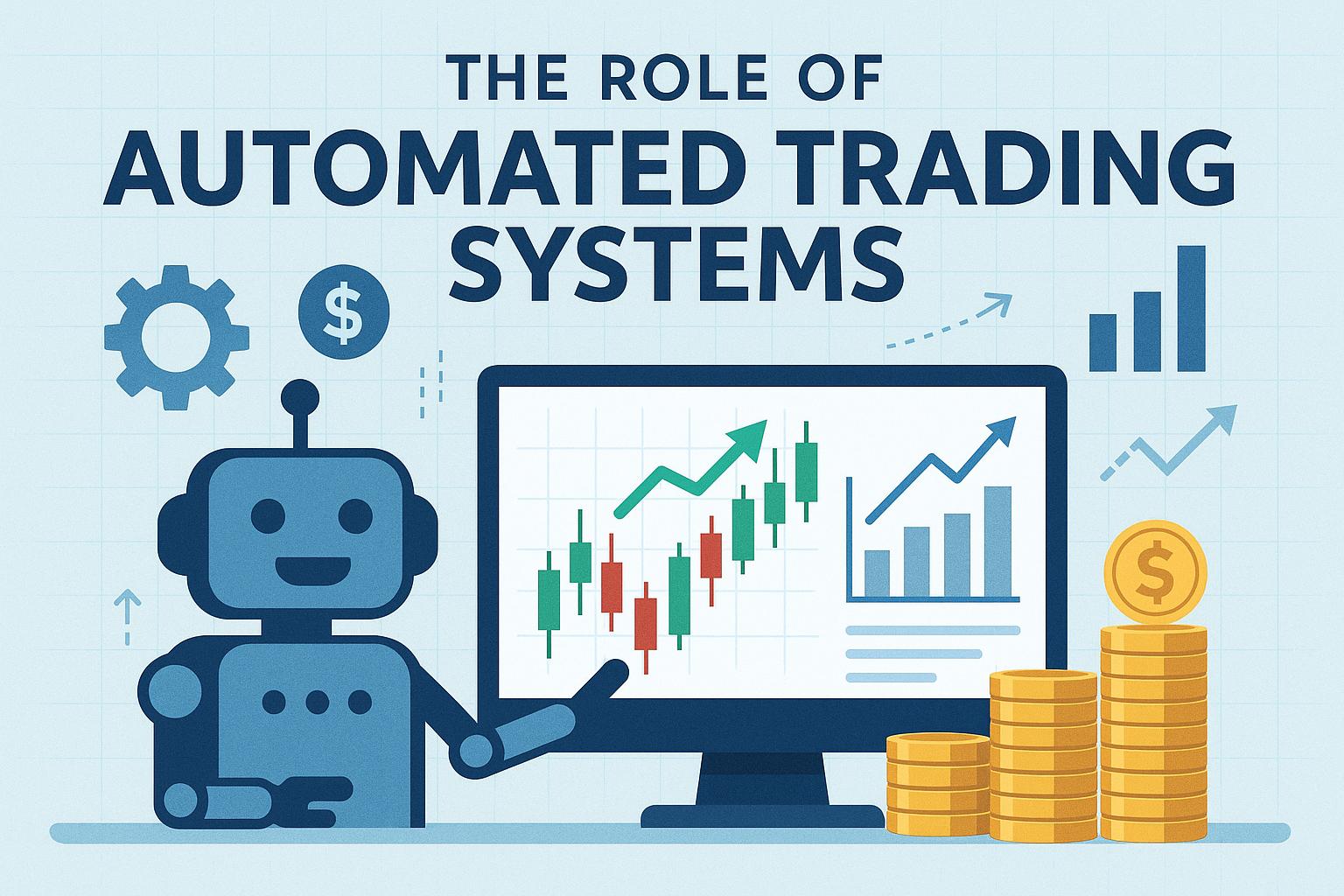
Automated trading systems, often referred to as algorithmic trading or black-box trading, have become a cornerstone in the modern financial landscape. These systems utilize the power of computers and sophisticated algorithms to execute trades based on predefined conditions automatically. This technology-driven approach has revolutionized trading by offering increased efficiency and minimizing the emotional biases that often influence human traders.
How Automated Trading Systems Work
The functionality of automated trading systems is built around an intricate algorithm that relies on a series of rules and mathematical models. These algorithms are crafted to analyze a wide range of market data across various parameters, assessing historical data trends, prices, and other key indicators to determine optimal trading opportunities. By employing quantitative analysis, the algorithm identifies patterns or signals that meet the set conditions.
Once the predetermined criteria are met, the system executes trades through a connected trading platform. This process occurs in real-time, ensuring that trades are executed almost instantaneously without human intervention. As a result, the likelihood of human error, which can include miscalculations, misinterpretations, or delays, is considerably reduced.
Benefits of Automated Trading Systems
The primary advantage of automated trading systems lies in their speed and efficiency. Whereas human traders can only interpret and respond to a limited amount of information within a certain time frame, computers can process vast amounts of data rapidly. They can initiate trades within fractions of a second in the ever-volatile financial markets, which can be the difference between profit and loss.
Additionally, automated trading systems eliminate the emotional influence that often hampers human decision-making in trading. Emotions such as fear and greed can lead to irrational choices, such as selling too early out of fear of loss or holding on too long in the hope of larger profits. By sticking to the programmed strategies, automated systems maintain a disciplined approach, preventing such emotional pitfalls.
Challenges and Considerations
However, automated trading systems are not without their challenges. A significant concern is the ongoing requirement for testing and maintenance. Algorithms must be back-tested using historical data to ensure reliability and accuracy. Even after deployment, systems require regular updates and adjustments to keep pace with changing market dynamics. A failure in this regard can lead to substantial losses if the algorithm misinterprets new market conditions.
Moreover, there is the issue of transparency and understanding. Automated trading systems often employ complex mathematical models that might be opaque or difficult to comprehend for the average trader. Users must possess a deep understanding of the system’s operations and limitations to ensure their strategy aligns with their financial goals.
Conclusion
In conclusion, automated trading systems have cemented their role in the financial domain by offering unmatched efficiency and consistency in executing trades. They are particularly advantageous for traders seeking to minimize emotional influences and adhere strictly to logical, data-driven strategies. Nevertheless, these systems demand careful oversight, robust testing, and an in-depth understanding to navigate the potential risks effectively. As financial markets continue their technological progression, automated trading systems are poised to further influence and shape the future of trading. For those seeking to delve deeper into this subject, a plethora of resources from financial institutions and trading platforms offer valuable insights, aiding both novice and seasoned traders in harnessing the full potential of algorithmic trading.
This article was last updated on: July 25, 2026